A harness fit check before the walk
Compare actual measurements, watch the straps during a turn, and check the fit before heading through the door.
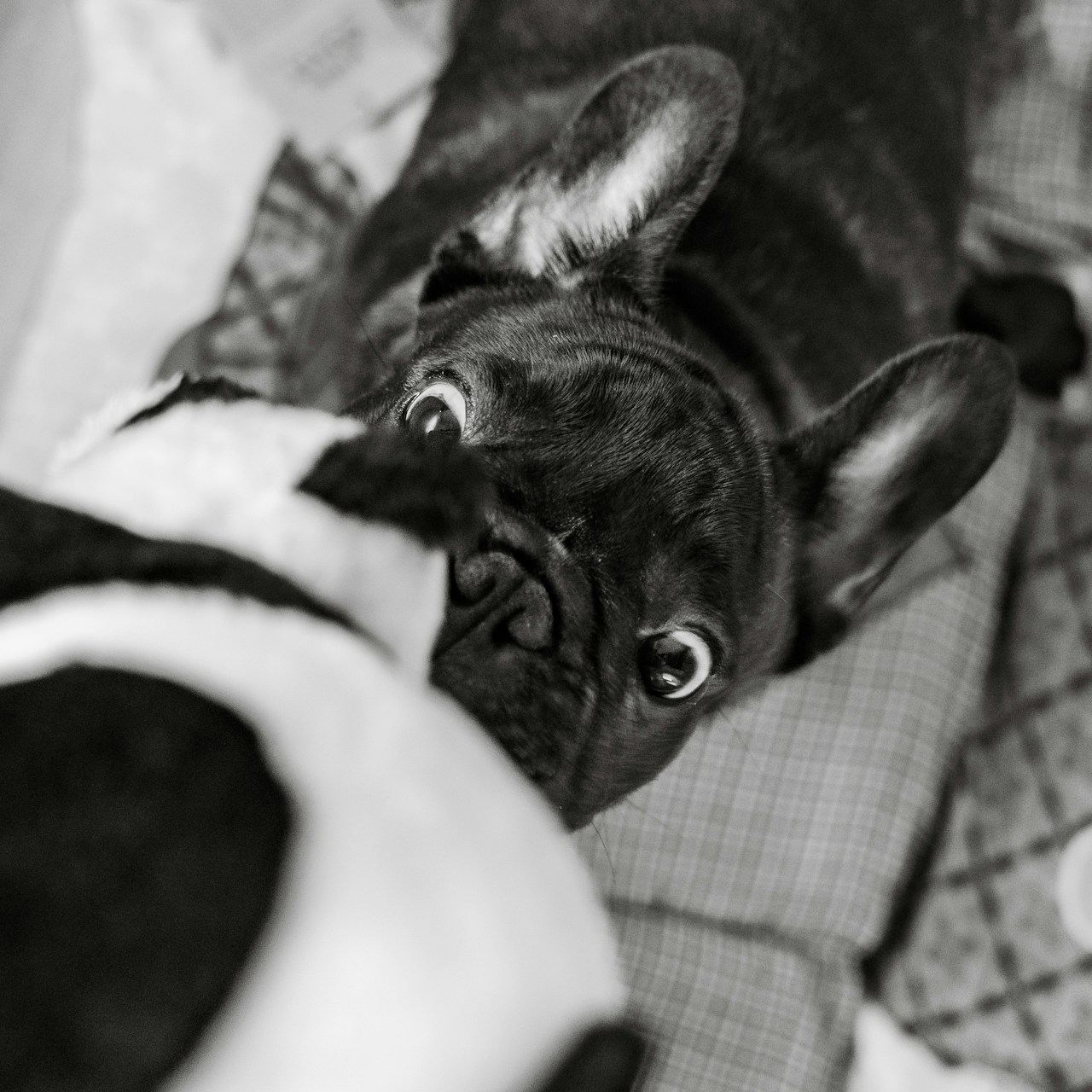
Imagine a dog carrying a plush rabbit toward two adults after dinner. One adult notices a narrow opening along its side; the other says it is the dog's favourite. This is a hypothetical household, but the disagreement is recognisable. Nobody wants to end a happy routine over a little wear. I would begin with a different question: is the toy still able to do the job we are giving it?
I want to follow that small decision all the way through the room: the inspection, the dog waiting for a game, the replacement that may be less interesting, and the other person who needs to know why the rabbit has gone. This is general toy-safety guidance, not an assessment of an individual dog or product. If a piece may have been swallowed, or a dog is struggling to breathe, the task changes immediately from sorting possessions to getting veterinary help.
The imagined rabbit has survived plenty of play, which makes it easy to argue that another evening will be fine. I would interrupt that argument by looking at the object in front of me. I would inspect it while the dog is comfortably elsewhere, not tug at the fabric while it is being held.
I would spread the rabbit on a clear surface and compare its two sides. Is the stitching opening? Can I see stuffing or reach a squeaker that was previously enclosed? Are a fabric ear or a small decoration becoming detached? I would not need to prove that a part will come off before deciding the toy no longer belongs in the active basket. Blue Cross advises checking toys for small parts that could be removed and swallowed.
It helps me to separate appearance from structure. A washable mark may make a toy look old without showing a tear; a neat-looking toy may hide a split underneath. I would follow the maker's cleaning instructions for dirt, but cleaning would not change my decision about an open seam.
In this household example, I would ask the second adult what happens after the cheerful shaking stops. Does the dog carry the rabbit to a bed and settle, or concentrate on one seam? Does the ball come back after a retrieve, or become something to dismantle? I would record the action rather than label the dog naughty or destructive. The relevant question is whether this object suits what the dog actually does with it, including the part of play we are tempted not to watch.
Dogs Trust recommends choosing enrichment around an individual dog's needs and preferences and observing how they engage with it. I take that as a reason to reassess the job of each toy. A lightweight object for a shared game is not automatically an appropriate choice for prolonged chewing. The words tough or durable on a package do not resolve a mismatch between a particular dog and a particular product. I would read its intended use and keep watching after the initial excitement.
If every plush toy fails at the same projection, a different colour does not address the problem. I would look for an appropriately sized alternative suited to the dog's play style, and introduce it under supervision. If chewing or behaviour changes suddenly, I would discuss that change with a vet rather than assume the shopping decision explains it.
I would use three decisions for this imaginary basket: available for its intended supervised activity, out of use for cleaning and reassessment, or retired. The middle decision needs particular care. It is for an otherwise intact object whose condition cannot be assessed while dirty, not a waiting room for a torn toy. Anything with a structural problem stays unavailable. I would put questionable items somewhere the dog cannot reach, rather than beside the sofa where another person might casually return them.
For the rubber ball, I would check its whole surface rather than just the visible side. PDSA advises replacing balls that are cracked, torn or breaking apart and choosing a size the dog cannot fit entirely into the mouth while still carrying comfortably. I would also check whether the ball still matches the dog now, especially if it was bought when the dog was smaller. I would not make a universal recommendation from its diameter alone; the dog's size and the manufacturer's guidance both matter.
The rabbit's open seam leads to retirement in this example. I would not sew it shut, remove a squeaker or glue on a patch and then declare it safe again. Those changes do not establish that the remaining material will hold up. Where a product has replaceable parts, I would follow its maker's instructions instead of improvising a repair to a damaged play object.
A decision made at the table is easier than taking a cherished object from a dog's mouth. Ideally, I would inspect and rotate toys between play sessions, when the dog has already left them. If the dog is still engaged, I would avoid a chase or a sudden grab. For a dog comfortable with a familiar exchange, I could invite them toward a suitable alternative, then collect the old toy only after they have moved away.
Dogs Trust's resource-guarding guidance advises avoiding taking valued items and keeping others at a safe distance while help is arranged. If this dog stiffens, freezes, growls or guards the toy, I would stop the inspection attempt, keep children and other pets away, and seek professional support through the vet or a qualified behaviour professional. I would not test how close I can get. A plan for a relaxed exchange is not permission to confront a worried dog over an object.
This changes what I would ask the second adult to do. Instead of saying take that rabbit away whenever you see it, I would explain that routine checks happen when the item is unoccupied and that nobody should force a contest. If an immediate dangerous situation occurs, we need veterinary guidance appropriate to it, not a training exercise improvised under pressure.
Removing a favourite can leave a gap in the evening routine. In our hypothetical living room, the rabbit appears after dinner and starts a short shared game. I would try to preserve that invitation rather than place a replacement on the floor and assume the job is done. What was valuable: carrying something, playing with a person, searching for it, or shaking it? The answer gives me a more useful direction than a product page promising endless entertainment.
For example, if the dog enjoys searching, I could make an easy supervised find-the-toy game with an intact, suitable toy. If the pleasure is a shared game, I would offer an appropriate alternative and keep the activity comfortable for the dog. I would not assume a different toy will be accepted immediately or increase the intensity to force interest. Dogs Trust describes rotating toys and adapting enrichment to preferences; I would use those ideas to vary an activity, not to demand a particular response.
The rabbit is still retired even if the alternative is less exciting on the first attempt. That is the awkward part I would make explicit for the household. A slow introduction does not overturn the condition check. We can try a different suitable activity, take a break or simply spend quiet time together. Keeping play enjoyable does not require restoring a damaged object. My aim is to preserve a choice the dog can safely enjoy, not to prove a replacement purchase was successful.
Suppose, in a second branch of the example, the rabbit's squeaker is missing and neither adult knows where it went. Now I would stop treating this as a tidy-up. If there is any possibility that the dog swallowed a toy part, I would contact a vet promptly for advice; if the dog is choking or struggling to breathe, it is an emergency. PDSA advises immediate veterinary contact for breathing difficulty or swallowed pieces. I would not wait for the next scheduled toy check.
For the call, I would keep the remaining toy, packaging if available, and a clear account of what is known. Which piece is absent? When was the toy last definitely intact? Was swallowing observed, or is it uncertain? I would distinguish those answers instead of turning a guess into a fact. A photograph can help describe the object, but it does not replace the vet's assessment. I would not try to induce vomiting or offer a home remedy unless a veterinary professional specifically instructs me.
This branch also explains why I would not build a household rule around watching for one symptom. An apparently comfortable dog does not settle the question of a missing piece. The appropriate next step depends on the object, the dog and the circumstances. While arranging advice, I would keep other pets away from loose fragments and have one adult manage the call. The important success here is getting help with accurate information, not finishing the toy audit.
Back in the original example, no part is missing; the opening seam was noticed during a routine check. I would remove the rabbit from circulation, inspect the remaining toys and leave a short note for the other adult: rabbit retired because the seam opened; blue ball checked; new play toy needs supervised introduction. That is enough detail to prevent a well-meaning rescue from the discard pile. I would secure discarded pieces so the dog cannot recover them from an accessible bin.
I would pair inspection with a moment the household already remembers, such as putting toys away after shared play, and check again whenever damage is noticed. A weekly reminder can prompt a fuller review, but it is not a promise that an item will remain sound until then. The useful habit is noticing change. If several people supervise play, each needs permission to take a questionable toy out of use rather than wait for the person who bought it.
Finally, I would keep the basket modest enough that its contents are visible. It is a practical response to this household's problem: a damaged favourite disappeared among objects nobody had checked. A small group of suitable options, plus others stored for rotation, may be easier to manage. The result I am looking for is a clearer handover and an appropriate game, not a perfectly styled basket or a guarantee that no toy will ever wear out.
The plush rabbit in our example does not return to the basket. The reason is specific and visible: its seam has opened. What can return is the invitation after dinner, with a suitable object or another comfortable activity and a household that understands the change. I find that a kinder goal than stretching the life of a favourite until the decision becomes urgent.
A: Make checks part of putting toys away after shared play, and inspect whenever you notice a change. A regular fuller review can help, but damage should not wait for a calendar reminder. Follow the product’s instructions as well as watching how your own dog uses it.
A: I would take a structurally damaged toy out of use rather than rely on reacting before a piece comes away. Supervision helps identify wear; it does not restore the fabric or seams. Offer another suitable activity while you arrange an appropriate replacement.
A: No single label settles the choice. Consider size, material, intended activity and how the dog interacts with it. PDSA also warns about very hard toys and tooth damage. For a dog with dental problems, health concerns or unusual chewing behaviour, ask the vet for individual guidance.
A: Stop approaching or reaching for it, keep other people and pets at a safe distance, and seek help through a vet or qualified behaviour professional. Do not punish the warning or stage repeated tests. If the item creates an immediate hazard, obtain urgent professional guidance.
A: If it may have been swallowed, contact the vet promptly and explain what is missing and when it was last seen. Do not rely on the absence of symptoms to make the decision yourself. Breathing difficulty or choking requires emergency veterinary help.
Reference details checked Nov 18, 2026. Rules and guidance can change; follow the current source where applicable.
Something needs a correction? Let us know.
Compare actual measurements, watch the straps during a turn, and check the fit before heading through the door.
Choose room to stretch, an easy approach and a location that stays quiet when the household gets busy.
Choose for security and everyday comfort, then practice entry, closure and lifting as separate steps.