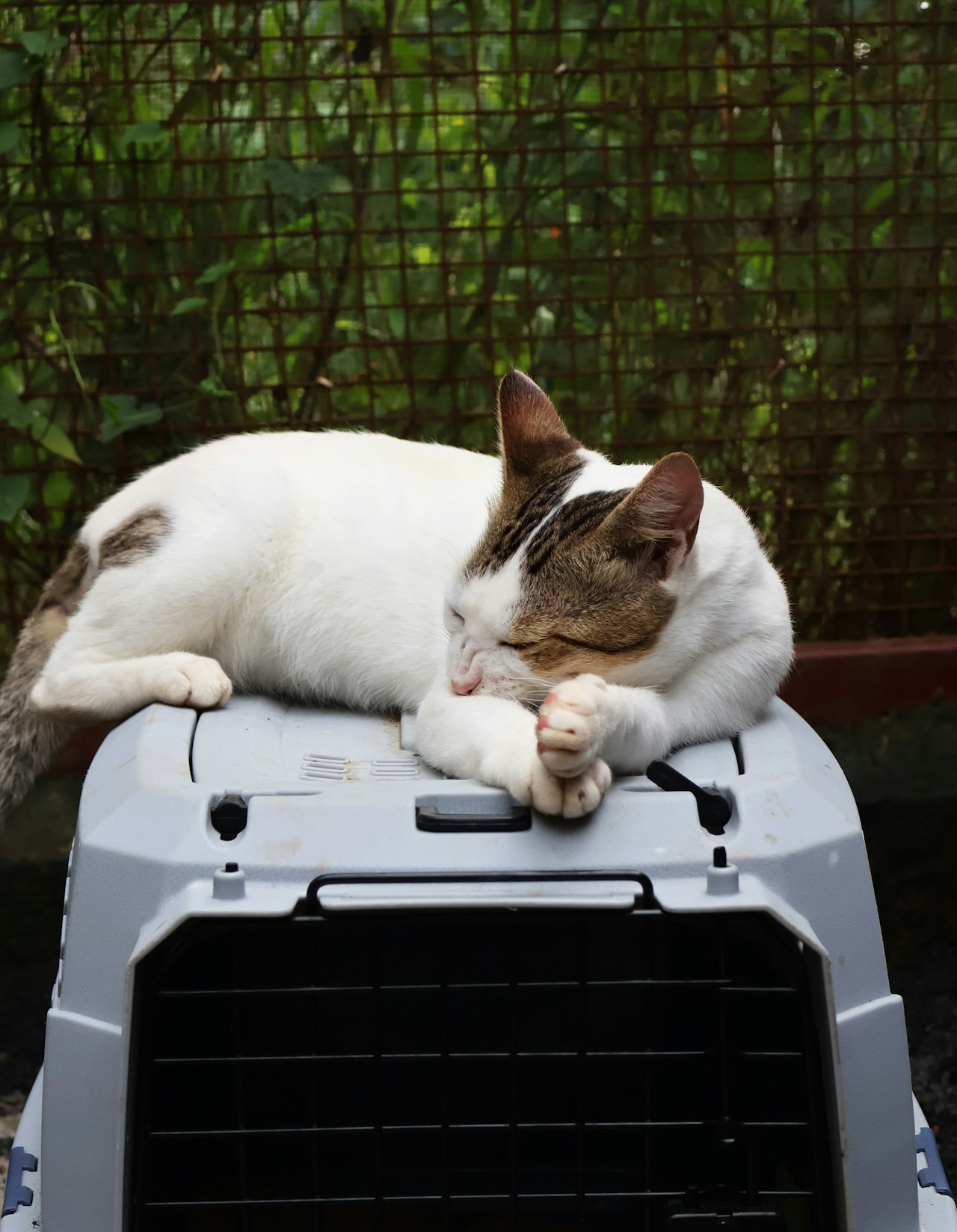
Choose a cat carrier you can leave out
Choose for security and everyday comfort, then practice entry, closure and lifting as separate steps.
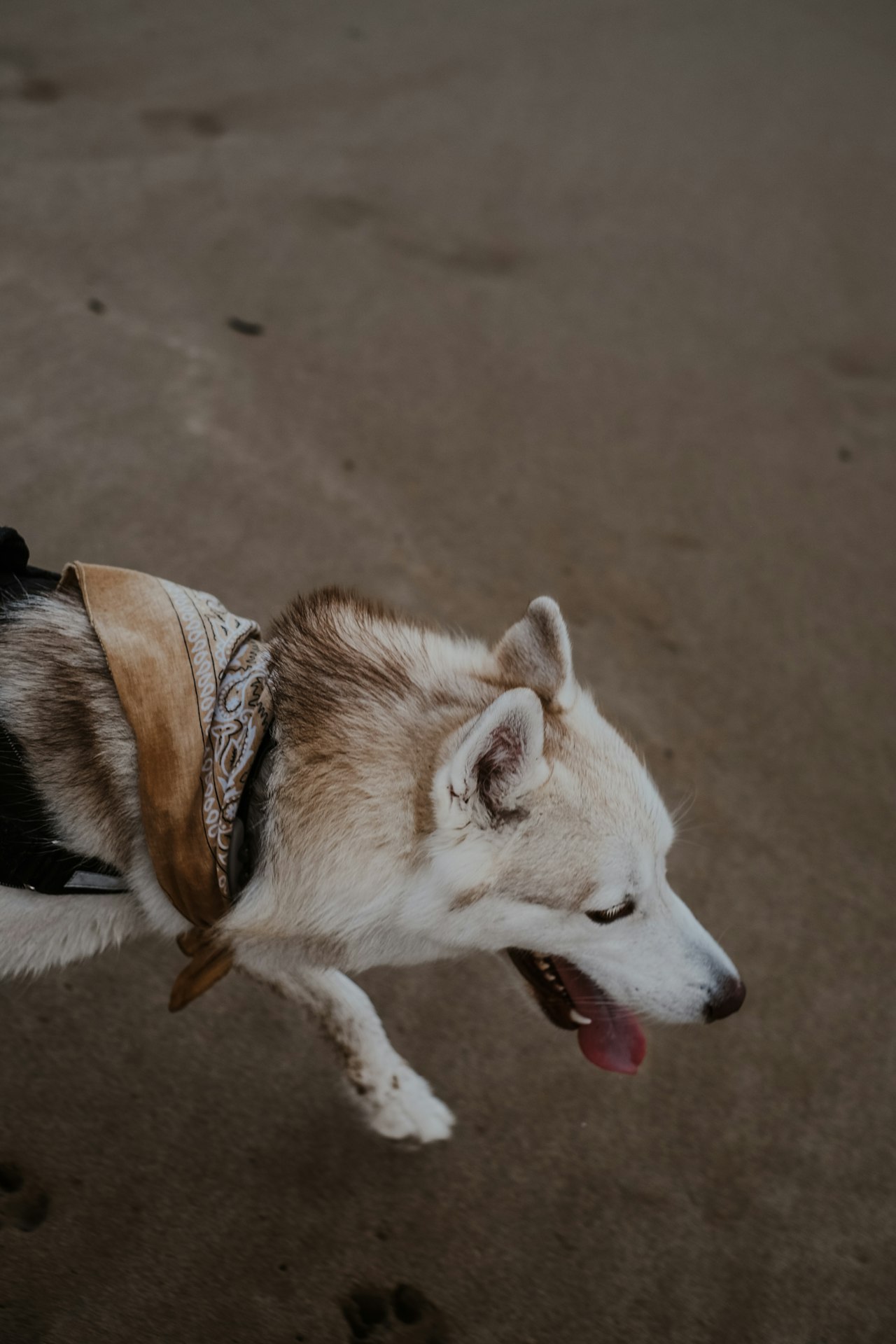
Suppose the old harness was a medium, so you order another medium in a different design. It clips shut, but after the dog turns, a buckle sits beside an elbow and the chest panel has shifted. The purchase was the expected size; the fit still needs work. A size name gets you to a product range, but it cannot finish the fitting job.
My approach is to separate three questions: is the design suitable, is this particular size adjusted correctly, and is the dog comfortable wearing it? Buying a well-reviewed product answers none of those on its own. The following check is for ordinary walking equipment, not a recommendation for a vehicle-restraint system or a medical mobility aid.
Read where the manufacturer wants measurements taken and use those points consistently. A chest measurement taken in a different place can send you toward the wrong size. Check the adjustment range and return conditions before purchasing, particularly when the dog falls between sizes.
For a practical shopping comparison, write two products’ measurement ranges on one page and mark your dog’s measurements beside each. That is more informative than comparing small with medium. If the body shape does not suit the design, tightening every strap may not produce an appropriate fit.
Dogs Trust advises choosing equipment that permits comfortable movement and does not slip out of position. Follow the product’s own fit instructions and check the whole arrangement, including the areas behind the forelegs and around the chest. A simple finger-space check alone cannot evaluate every design.
A knowledgeable fitter can help when the shape is difficult to assess. Pain, skin irritation or an unusual gait needs veterinary advice rather than repeated equipment experiments. Avoid treating extra padding as proof of comfort; placement and stability still need to be checked on the individual dog.
Some dogs dislike an object passing over the head; other designs open around the body. Dogs Trust describes gradual introduction and stepping back if the dog retreats or shows concern. The fastening noise and touch of the straps can also be introduced gently rather than arriving as one surprise.
Battersea likewise treats wearing walking equipment as something to teach. A quiet room is a better starting point than the doorstep when everyone is late. Allow investigation and reward comfortable progress. Food should not be used to pull a worried dog through a step that they are trying to avoid.
For a head-opening design, voluntary approach is different from being lured far enough through that the person can suddenly fasten it. Keep the next action predictable. A design that opens around the neck may be worth discussing when passing equipment over the head is a persistent difficulty. That choice still needs a proper fit; avoiding one handling problem does not solve every equipment question.
Once the dog is comfortable wearing it, observe a few normal movements in a safe, enclosed setting: walking, turning and changing position. Check whether the equipment remains where it should. Do not create a frightening escape test or pull sharply to see how much force it can withstand.
In that fitting, a strap that migrates after one turn is useful information before the walk begins. Recheck the instructions and adjustment; if it cannot sit appropriately, consider a different design. A short video may help a professional advise, but remote views have limits compared with an in-person fit.
Look from the front, side and above while the dog is comfortable and standing normally. Then observe the same areas during a short, ordinary walk and turn in a secure setting. The point is to notice a change in position, not to prove that the harness can withstand every possible movement. You do not need to pull the dog backwards or startle them to create a dramatic test.
In the example of the shifting chest panel, return to the fitting instructions before heading outside. Check that the harness is the right way round, the straps follow the intended route and the buckles are fully fastened. Compare the adjusted position with the manufacturer’s guidance. If it only stays in place when overtightened, do not treat that as a successful solution; get fitting advice or consider a more suitable design.
Include the person’s routine in the check. Can you identify the correct lead attachment without guessing? Can you see every fastening rather than feel for one beneath thick fur? If several people walk the dog, show each of them the actual setup. A well-chosen harness is less useful when one person clips the lead to the wrong ring or leaves an adjustment inconsistent.
| Check | Look for | Reason to stop and reassess |
|---|---|---|
| Standing view | Position described in the product instructions | Straps or buckles poorly placed |
| Walking and turning | Equipment stays appropriately positioned | Panel migration, rubbing or restricted movement |
| Before attaching the lead | Correct intended attachment and closed fastenings | Unclear instructions or unreliable clips |
| Routine inspection | Sound stitching and stable adjustment | Damage, slipping adjusters or new discomfort |
A useful comparison does not begin with which product has the most features. Write down the dog’s measurements, the manufacturer’s stated measuring points and the adjustments each design allows. Then consider the handling sequence: does the head pass through an opening, where do the clips close and can the person reach them comfortably? Two products may both cover the measurement range while presenting very different experiences for a dog who is worried about touch near the head.
When possible, seek a knowledgeable fitting service and explain the dog’s handling needs beforehand. A rushed shop visit can make it hard to assess comfort, especially in a busy environment. Ask how to evaluate the design safely and what return conditions apply. Do not keep tightening an unsuitable shape because the receipt says it is the correct size. The product should fit the individual animal’s body and movement, not require the animal to accommodate a marketing category.
At home, compare what you can actually observe. Does the dog move comfortably, does the equipment stay appropriately positioned and can it be put on without a struggle? These observations do not establish injury-prevention claims or prove one design is universally superior. They help identify whether the current setup is usable and whether professional fitting or veterinary advice is needed. Keep the decision tied to the intended walking task rather than claims you cannot verify from a product photograph.
A shared harness can be adjusted correctly by one person and then changed unintentionally by another. Show every walker the correct orientation and lead attachment for the specific design. Point out which clips must close and which straps are adjustable. A clear photograph can help as a reminder, but the person still needs to inspect the dog and equipment each time. A photograph of last month’s fit is not evidence that a growing dog still fits it today.
The handover should include what to do when something seems wrong. If a clip will not close reliably, stitching is damaged or an adjuster slips, stop using the item and arrange a suitable replacement. If the dog suddenly resists having it put on, do not assume the walker simply needs to be more persuasive. Check the equipment and seek veterinary advice about possible discomfort, especially when the reaction is new or accompanied by changes in movement or skin.
Keep walking and travel instructions separate. The household may use different equipment for a car journey, and an extra attachment ring is not evidence of crash testing. Follow the intended use and relevant manufacturer guidance for each system. The same applies to identification requirements, which depend on location. A practical equipment note can name the correct item for each job without turning a general pet article into a claim about every country’s rules.
Equipment changes with wear, and dogs change with growth, coat condition and body shape. Build a quick visual inspection into preparation for a walk. Damaged stitching, unreliable clips or slipping adjusters are reasons to stop using the item and arrange a suitable replacement.
A walking harness does not remove the need for lead skills, supervision or compliance with local identification rules. Nor should it be assumed to be crash-tested or approved for car travel. Choose travel restraint separately according to the intended use and relevant product guidance.
Keep the instructions after buying, ideally with a photograph of the correctly fitted arrangement for household reference. Recheck after washing or altering straps instead of assuming the previous adjustment remains. Photographs are a reminder, not a substitute for looking at the dog: growth, changes in body condition and wear can make yesterday’s setup unsuitable.
The most useful final question is not which size label you bought, but how the equipment sits and behaves on this dog. Keep the fitting instructions, allow time for introduction and make the first movement check in a secure place. That turns a purchase into a usable walking setup.
A: No. Body shape, movement, fit, health and handling comfort all matter. Use the measuring and fitting guidance for the actual design, then observe ordinary movement in a secure setting. If an appropriate fit cannot be achieved without restricting movement or causing discomfort, ask a knowledgeable fitter or veterinary team about a more suitable option.
A: No. Follow the manufacturer’s instructions and check strap position, movement, security and rubbing. Ask a knowledgeable professional when uncertain.
A: Not by itself. Appropriate equipment and reward-based lead skills address different parts of comfortable walking.
A: Do not assume so. Vehicle restraints have a separate purpose; check appropriate safety testing and the manufacturer’s intended use.
A: Pause and assess fit, discomfort and handling history. Introduce easier steps, and seek veterinary or qualified behavior advice if fear persists.
Reference details checked Nov 10, 2026. Rules and guidance can change; follow the current source where applicable.
Something needs a correction? Let us know.
Choose for security and everyday comfort, then practice entry, closure and lifting as separate steps.
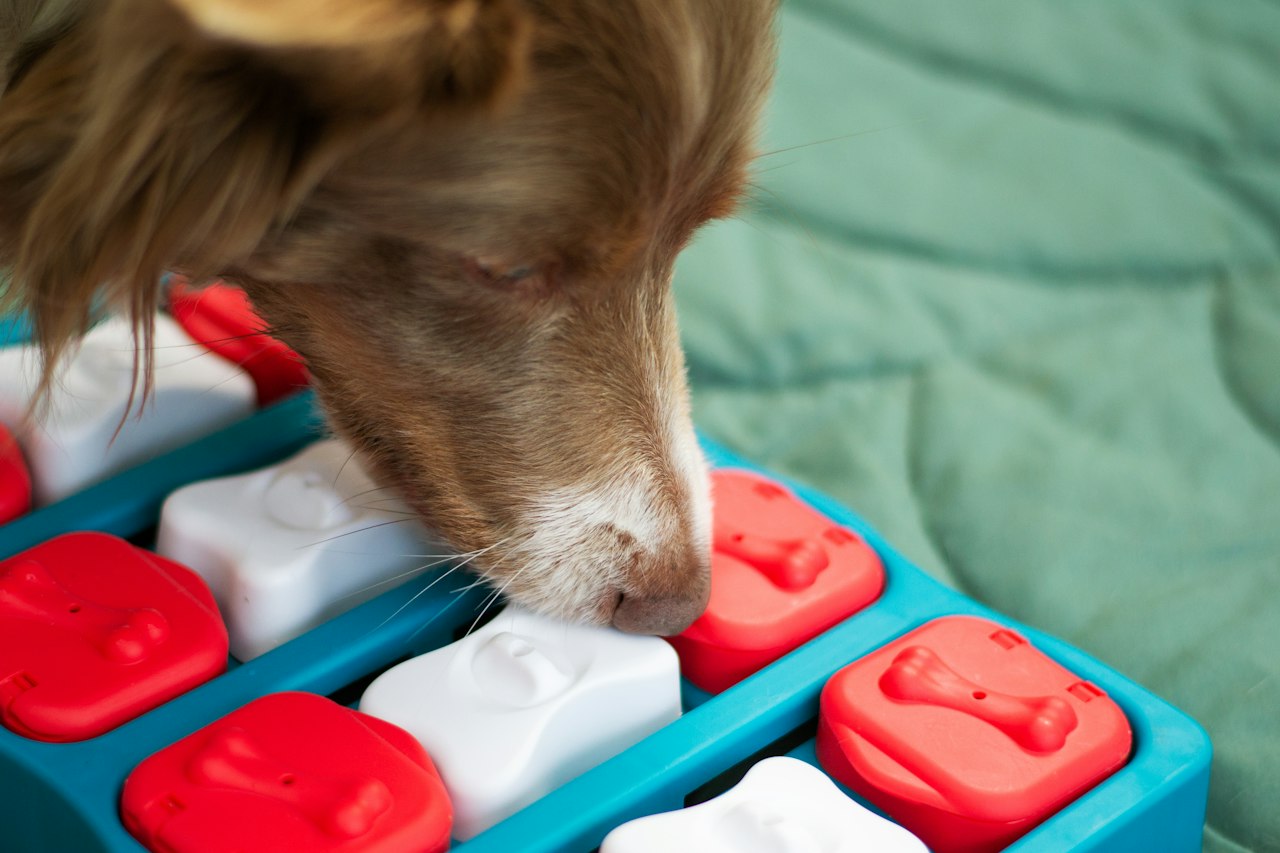
Start with an easy way to reach the food, then adjust one feature while watching comfort, safety and interest.
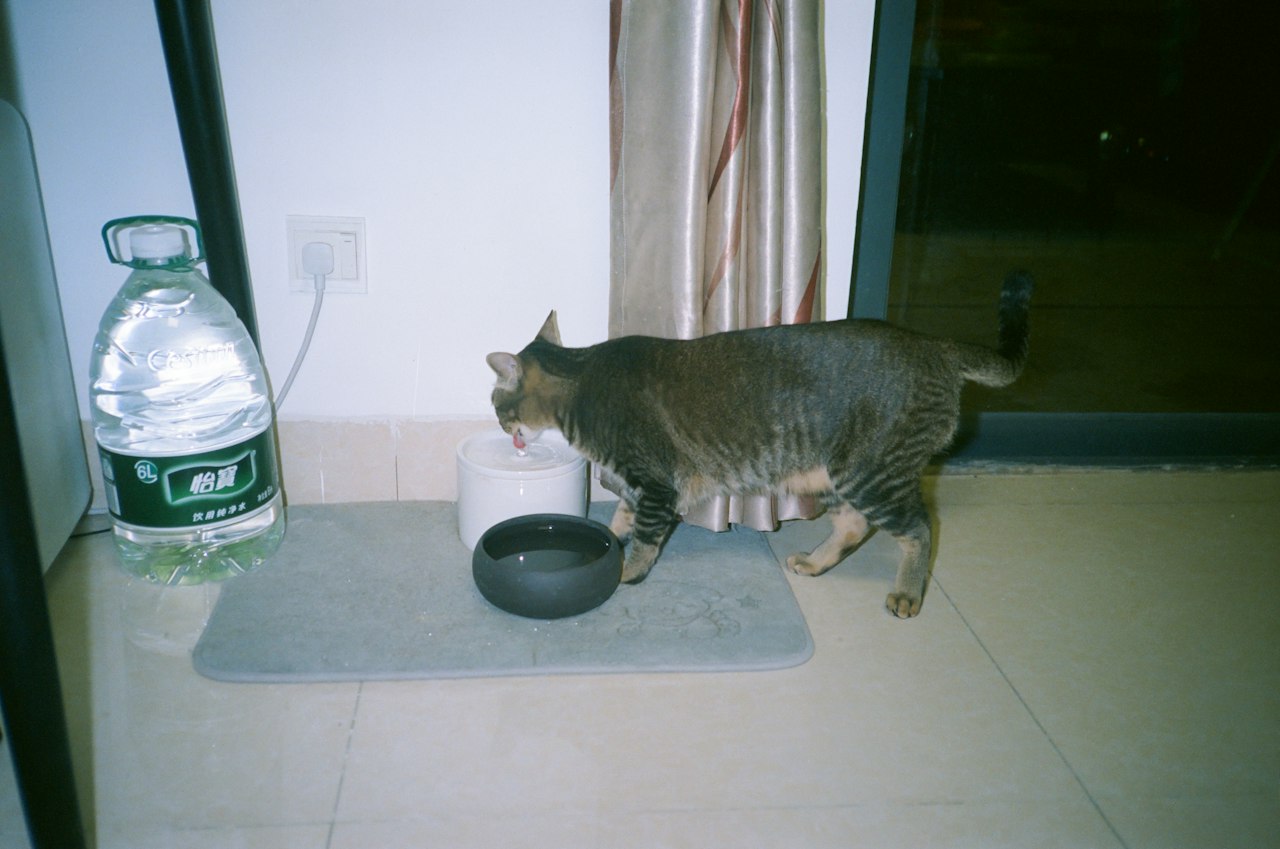
Check access, freshness and placement first, then decide whether a fountain solves a problem your cat actually has.