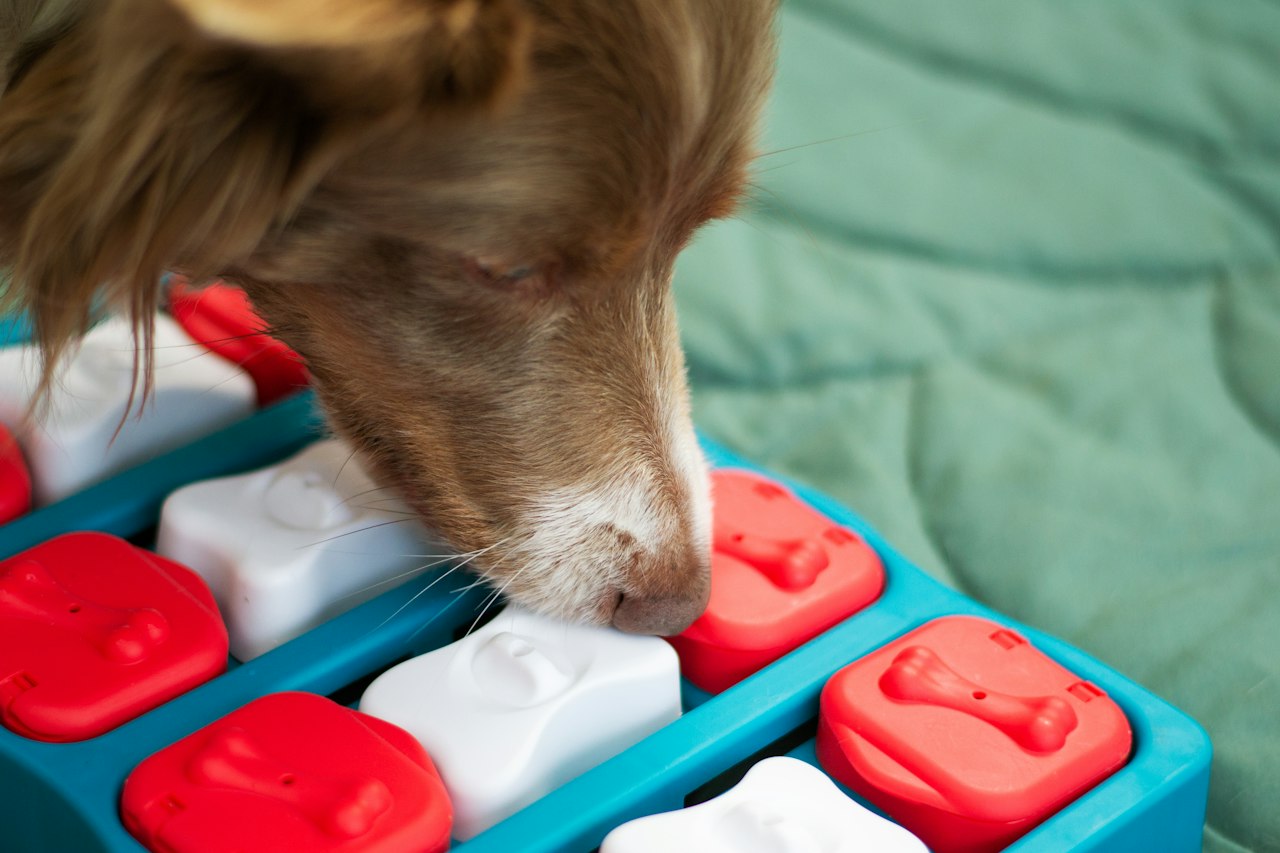
A harness fit check before the walk
Compare actual measurements, watch the straps during a turn, and check the fit before heading through the door.
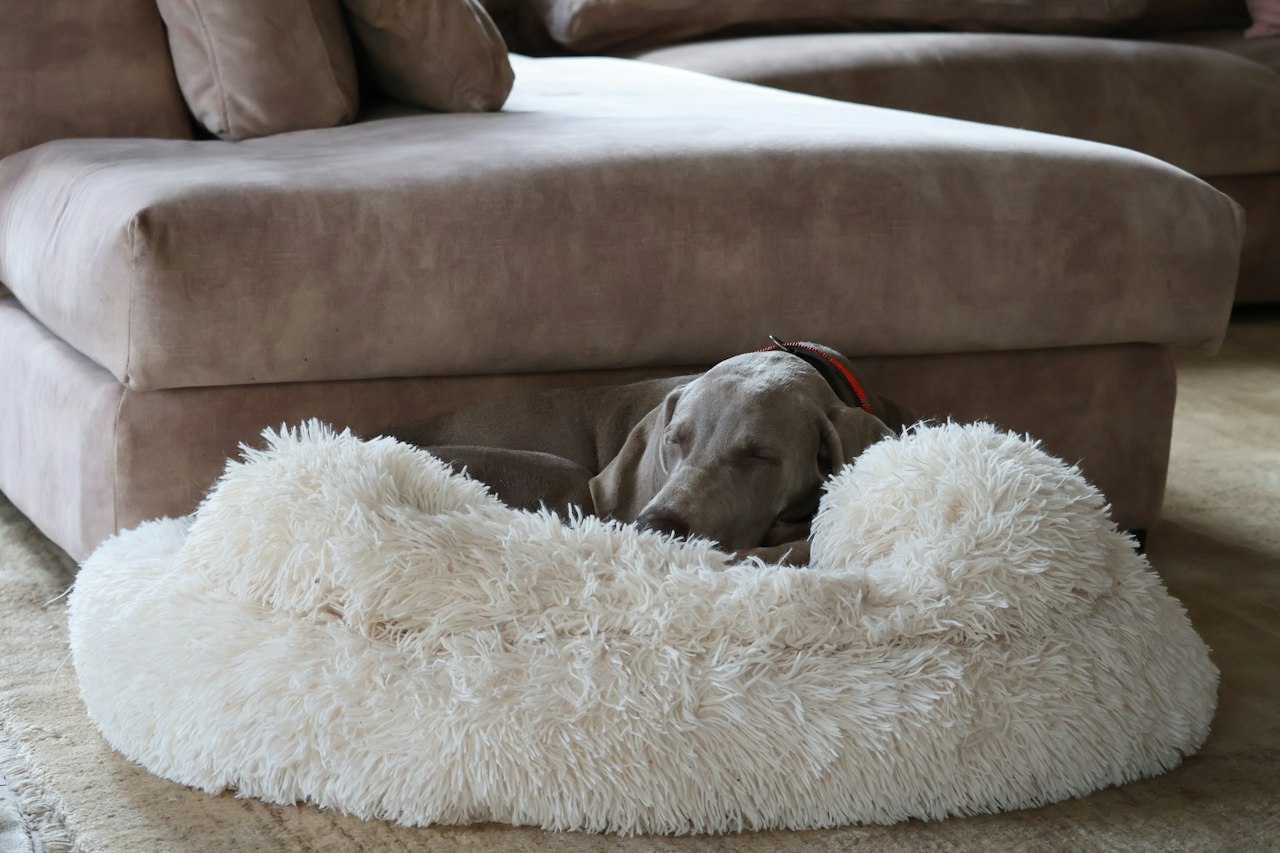
Imagine choosing a bed because it fits perfectly beside a cabinet. Then picture the dog stretching, their legs extending over a thick rim, just as someone reaches for the drawer above. My first reaction might be to wonder whether I bought the wrong bed. Looking again, I would separate two problems: the usable sleeping space and the interruption built into its position. Replacing the cushion alone might leave both unsolved.
RSPCA guidance recommends enough space for comfortable resting positions, while Dogs Trust emphasizes suitable rest away from disturbance. I want to use those ideas to follow this choice through a normal household day: where the dog settles, what interrupts rest, and what a change in location can clarify. The aim is comfortable choice, not a claim that a particular filling will fix pain or guarantee sleep.
Before measuring the cabinet gap again, I would watch the dog resting comfortably somewhere they have already chosen. There is no need to wake them, arrange their legs or encourage a picture-perfect curl. I would notice whether they stretch on their side and how much of the surface that uses. Then I would compare usable interior dimensions, especially where thick sides take up space. A product labelled large can still offer a small sleeping area. The measurement should follow the resting dog, not persuade the dog to fit the available corner.
Consider how the dog approaches and turns. A narrow opening between furniture can make a generous bed awkward to enter. Leave enough clear space that the animal does not need to step over objects or squeeze beneath a sharp edge. If the dog’s movement has changed, ask the veterinary team about appropriate support and access. Do not interpret a new reluctance to use the bed as a simple preference for the floor.
Visit the proposed spot during the household’s busiest period. A corner may look peaceful while everyone is out, then become the route between the kitchen, door and television in the evening. Drawers, chairs and doors can repeatedly interrupt rest without anyone deliberately approaching the dog. Move the sleeping place away from those ordinary conflicts where possible. The location should allow the animal to rest without needing to get up every time a person uses the room.
Keep comfortable alternatives available when practical. Some dogs may choose to rest near the household during quiet time and prefer a more private place when activity increases. That choice is useful information, not a reason to insist the newest bed is used. Dogs Trust recommends offering suitable resting areas as alternatives to furniture. The aim is an accessible option that meets the dog’s needs, rather than a rule enforced through repeated disturbance.
A raised edge may offer a place to rest the head, but it also changes how the dog enters and the space available to stretch. A flat mattress can be easier to approach from several directions, while a shaped bed may suit another individual. Check the actual construction and whether the surface remains supportive and stable under ordinary use. Marketing terms alone do not establish that a product is appropriate for a particular medical condition.
For an older dog or one with pain or mobility difficulty, ask the veterinarian what features matter for that animal. Do not assume a label such as orthopedic guarantees a clinical benefit or makes an awkward entrance acceptable. The practical comparison includes getting in, turning, lying down and rising, as well as resting. A comfortable-looking photograph does not show all of those transitions.
| Feature | Practical question | Do not assume |
|---|---|---|
| Raised sides | Is the entry easy and the inner space sufficient? | Outside dimensions equal sleeping space |
| Flat surface | Does it remain stable and supportive? | Simple means unsuitable |
| Specialist label | Does it meet this dog’s assessed needs? | Marketing language is a clinical guarantee |
| Washable cover | Can the household clean and dry it reliably? | A removable cover solves every maintenance issue |
If the dog leaves the cabinet bed for a familiar mat across the room, I would resist ordering another cushion straight away. First I would examine the difference between those positions: drawer movement, warmth, traffic and the approach. Where safe and practical, I would offer the new bed in a quieter suitable place while leaving the familiar resting option available. Moving the location separately from changing the surface makes the next observation easier to interpret. The dog can choose; I do not need to put them in the bed and keep them there.
Observe ordinary use rather than repeatedly placing the dog on the bed. Does the animal choose it when the room is quiet? Can they stretch and get up comfortably? Does the bed slide when entered? A single nap does not settle every question, but repeated voluntary use is more informative than a posed photograph. If the dog avoids it, the household can learn from that response without making the purchase a test of obedience.
A bed can shift, bunch or tip at the edge even when its top feels comfortable. Check it on the actual floor where it will be used. Follow the manufacturer’s guidance and avoid improvised layers that slide against one another. The approach should also provide secure footing. A soft surface is less useful if the dog has to cross a slippery patch or step over stored items to reach it.
Think about cleaning and moving the bed. If it is dragged aside every morning and returned differently each night, the access route may change. Mark the practical position in the household’s understanding rather than requiring exact decorative alignment. The important features are stable support, clear access and freedom from avoidable disturbance. Keep electrical cords, heating equipment and other hazards away from the resting area.
A quiet place should offer comfort and choice rather than function as a punishment area. Explain to children and visitors that a resting dog is left alone. Do not encourage people to climb into the bed, wake the dog for attention or retrieve objects from beside them as a tolerance exercise. Adults should manage the room so the boundary is realistic, especially when children are too young to follow it reliably.
The dog does not have to be shut away from ordinary household life simply to obtain uninterrupted rest. A suitable arrangement may include a comfortable place near calm activity and another retreat farther from traffic. Observe what the individual uses and adapt within the home’s limits. If the animal becomes distressed when separated or cannot settle in ordinary situations, seek individual advice rather than assuming a new bed location will resolve the underlying concern.
Dogs who sometimes rest together still benefit from the ability to choose separate suitable places. One large shared bed should not be the only option if an animal wants space. Watch whether one dog waits, leaves or changes position when another approaches. A peaceful-looking room can contain quiet displacement that people miss because there is no growling. Separate destinations can make rest less dependent on another animal’s choice.
Do not force sharing to encourage friendship or remove beds to make the dogs work out an arrangement. Keep feeding, chews and other potentially competing activities out of the resting interaction when needed. Persistent guarding, conflict or discomfort needs veterinary and qualified behavior assessment. The room plan can support management, but it should not become an experiment in how much crowding the animals will tolerate.
Read the cleaning instructions before purchase. Check which parts can be removed, how they dry and whether the household has equipment suitable for the size. A bed that cannot be cleaned reliably may be impractical even if it initially feels comfortable. Keep a suitable resting alternative available while covers are being washed and dried. The dog should not lose the only comfortable place because laundry takes longer than expected.
Inspect the surface and filling as part of maintenance. Torn covers, exposed filling or damaged fastenings can change safety, particularly for a dog who chews materials. Replace or repair only as appropriate to the product and do not leave loose pieces accessible. A product that was suitable when new may stop fitting the animal or household as it wears. Useful care includes recognizing when the item should be retired rather than repeatedly patched into an uncertain condition.
New difficulty lying down or getting up, unusual restlessness, a change in movement or apparent pain deserves veterinary advice. A different mattress may improve the practical setup, but it should not delay assessment of the change. Describe what happens and when: hesitates before lying down, repeatedly changes position, or avoids a previously familiar route. Those observations are more useful than deciding the bed has become uncomfortable without considering other possibilities.
After any health concern has received appropriate attention, I would return to the whole arrangement with the current needs in mind. The cabinet corner does not become suitable merely because we found a bed that fits it, and yesterday’s comfortable entry may not suit a growing, ageing or recovering dog today. I would keep the decision adjustable: enough usable space, a clear approach, comfortable entry and an undisturbed way to leave. The household’s useful job is to notice a changed pattern and respond, rather than defend a purchase indefinitely.
I would be happy to leave the cabinet gap empty if the dog has a better place to rest. The aim was never to complete that corner of the room; it was to offer usable space through the ordinary day. Keep familiar alternatives, watch without arranging the dog into a pose, and let comfort and changing needs determine the next adjustment.
A: There is no single allowance that fits every design or resting style. Look at the usable inner surface and whether the dog can stretch, turn and change position comfortably. Thick sides reduce interior space. Follow product guidance and seek individual advice when mobility or health affects the choice.
A: No. Marketing language does not establish that a product meets an individual medical need. Ask the veterinary team about suitable support and access, and consider the entry, stability and location as well as the filling. A soft bed with an awkward approach may still be unsuitable.
A: Consider location, temperature, surface and the dog’s ordinary preferences while keeping suitable choices available. Do not repeatedly place the dog on the bed to force use. If the change is new or accompanied by difficulty moving or settling, arrange veterinary advice.
A: They may choose to share, but separate suitable options should remain available. Watch for quiet displacement or one animal waiting for the other to leave. Do not make sharing compulsory or use bed removal to resolve a relationship problem.
A: Plan cleaning so rest is disrupted as little as practical and follow a safe familiar household routine. Do not grab or crowd a sleeping dog. Keep another suitable place available, and teach children and visitors to leave resting areas alone. Ask for advice if handling or movement causes concern.
Reference details checked Nov 10, 2026. Rules and guidance can change; follow the current source where applicable.
Something needs a correction? Let us know.
Compare actual measurements, watch the straps during a turn, and check the fit before heading through the door.
Choose for security and everyday comfort, then practice entry, closure and lifting as separate steps.
Start with an easy way to reach the food, then adjust one feature while watching comfort, safety and interest.