A walk with room to sniff
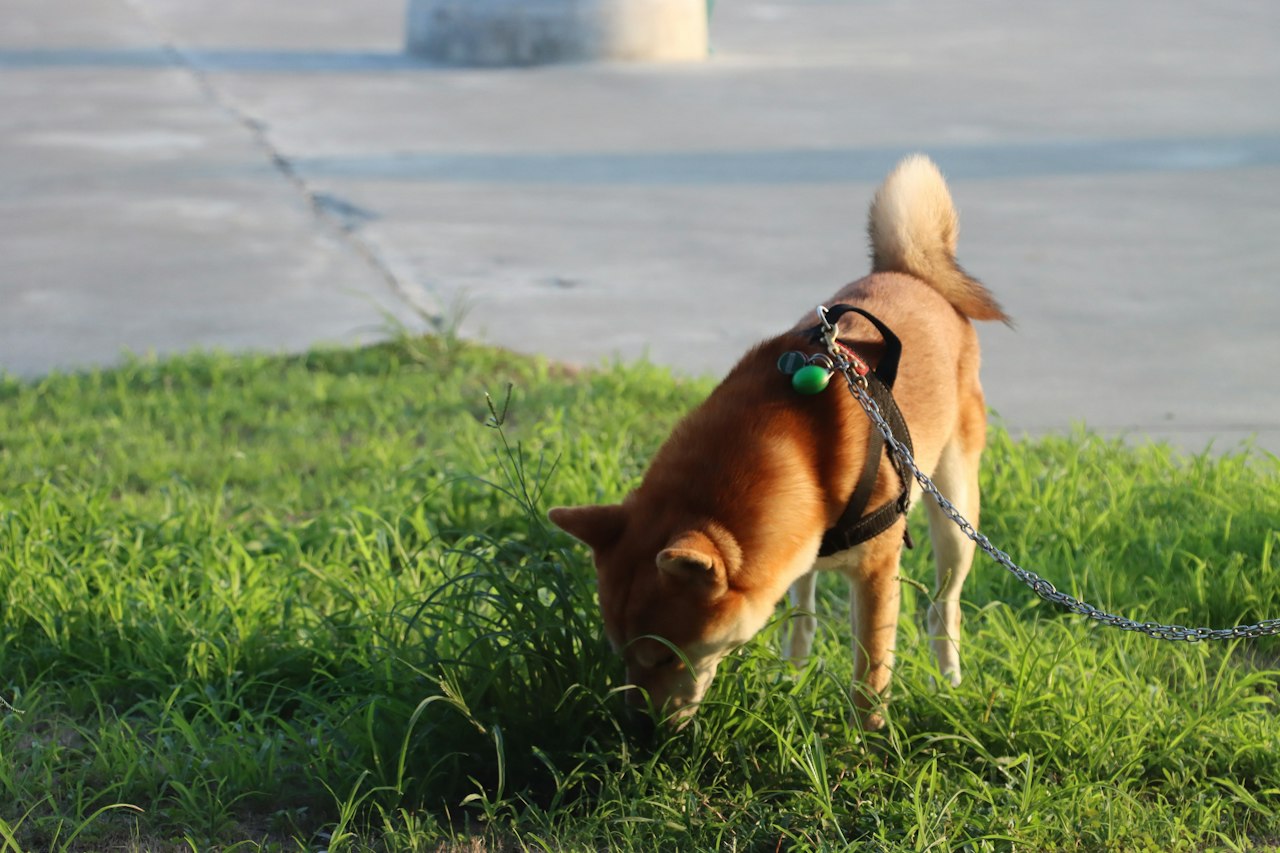
Choose a quieter loop, leave room for safe pauses, and stop every interesting hedge becoming a race to get home.
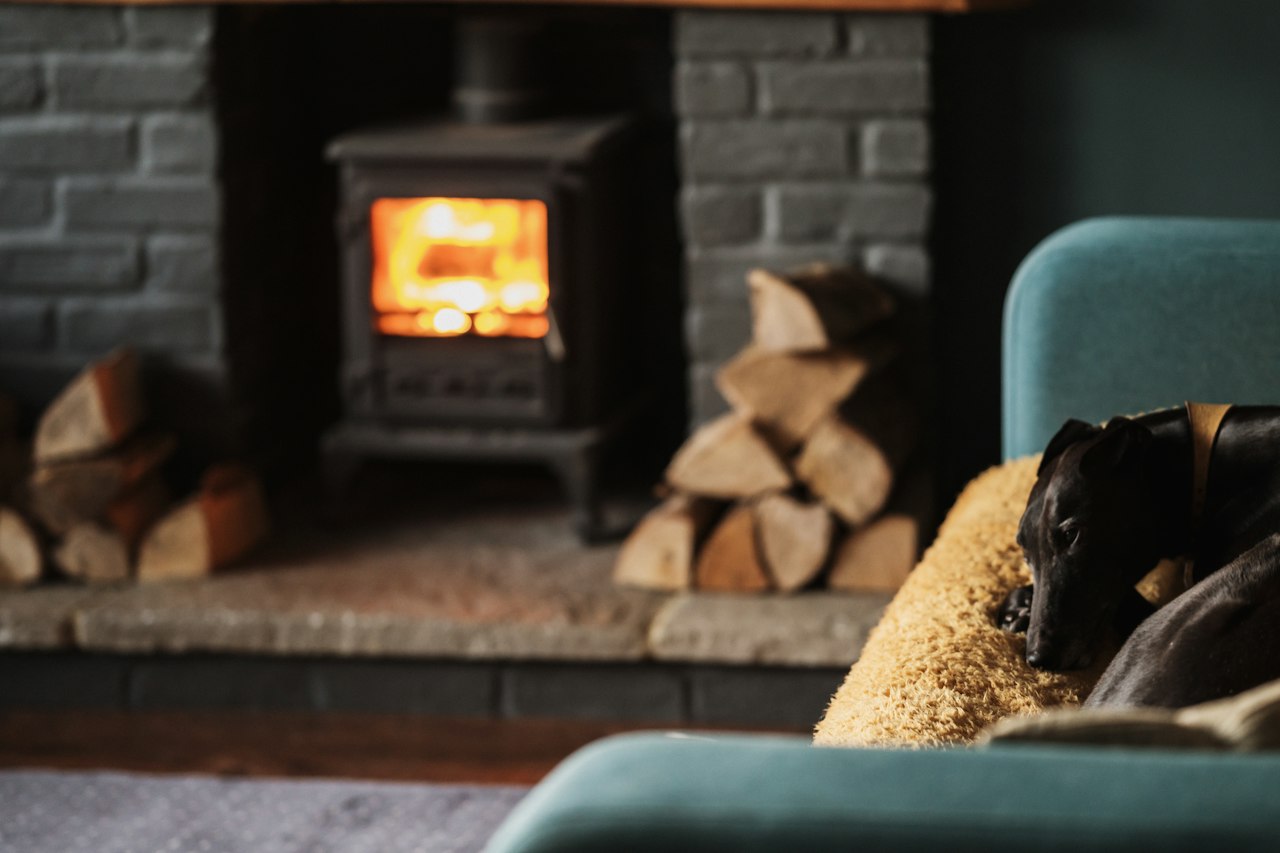
Suppose a dog has learned that lying on the mat makes a treat appear. They lie down, eat, stand up and look at your hand. You ask again. Within minutes you have an efficient down-and-treat routine, but very little rest. The dog may be doing exactly what the reward pattern has taught them.
This is the distinction I care about: a mat can identify a location without making that location restful. Comfortable surroundings, an achievable exercise and a dog whose basic needs are met still matter. The plan below is for a dog who can participate comfortably in a quiet room. New or persistent restlessness, pain or broader distress needs veterinary assessment.
Place the mat away from the narrow route between the kitchen and the front door. A dog resting there should not need to move every time someone passes. Consider temperature, flooring, household noise and whether other pets compete for the same space.
In a flat with one shared living room, a corner beside the sofa may be more useful than the middle of the room. It lets a person sit nearby without leaning over the dog. Choose a stable surface that offers the support the individual dog needs; a thin towel is not suitable for every body.
Battersea’s settling exercise starts by allowing a dog to investigate a mat and rewarding interest. That small beginning is helpful: the dog does not have to understand a finished behavior before receiving information about what is worthwhile. Progress toward paws on the mat should remain gradual.
Keep early repetitions easy enough that the dog can leave and return voluntarily. A reward can be placed on the mat when suitable. Do not lure the dog into a position and then physically block the exit. If the surface seems worrying, change the setup or begin farther away.
Watch the timing of your invitation, too. A dog who still needs a toilet break or has just been stirred up by an arrival may not be ready for the quiet activity you planned. Meet those needs first and leave a comfortable alternative resting place available. Choosing to lie elsewhere gives information about the setup; it is not a reason to make the mat compulsory.
Standing on the mat, lying down, staying longer and coping with a moving person are different challenges. Combining them makes it difficult to know what became too hard. Establish comfortable use of the location first, then add a small change that you can describe and repeat consistently.
For example, a person might shift in their chair once while the dog remains comfortable. The next session need not add a kettle, a visitor and a doorbell. Note the actual change, so another household member does not accidentally jump several steps ahead.
| Keep this familiar | Change just this | A reason to make it easier |
|---|---|---|
| The same mat, room and nearby person | One small movement, such as shifting in the chair. | The dog repeatedly gets up or appears uncomfortable. |
| Comfortable use of the mat | A little more time before the next step. | The dog is watching constantly for a cue rather than remaining at ease. |
| The established easy routine | A second quiet location at home. | The new room introduces traffic, noise or competition from another pet. |
When every reward is delivered from a moving hand, that hand can become the most interesting thing in the room. Before increasing the time on the mat, notice what the dog is practicing: remaining comfortably on the surface, or repeatedly leaving and returning to restart the sequence. The answer changes what needs adjusting.
Battersea’s exercise places rewards on the mat and builds up contact with it gradually. That can help keep attention on the location. It is still worth watching your own movements. Reaching into a crackling packet, leaning over the dog and speaking excitedly can make a quiet exercise surprisingly eventful.
Set out a small agreed portion of suitable rewards before you begin. Keep your own position predictable and make the current step easy. Do not suddenly withhold every reward to test whether the dog will stay forever. If the exercise keeps turning into a rapid series of repetitions, stop, simplify it and ask a qualified trainer for help when needed.
Observation should be modest. Is the dog constantly getting up to pursue your hand, or can they remain comfortably on the surface when you are quiet? Can they change position? A single posture is not a reliable reading of emotion; consider the context and the individual dog.
There is no benefit in making the exercise a staring contest. Once a familiar pattern is established, the person can be quietly occupied nearby. Keep the dog’s needs in mind: water, a toilet break, more space or a different resting position may matter more than another request to remain still.
For a concrete comparison, note what happens when the person reads quietly for a moment. A dog who can change position and remain comfortable is having a different experience from one who repeatedly darts after a hand. Neither observation proves an emotional state by itself. It simply helps you decide whether the current setup resembles the quiet activity you eventually want to share.
Choose something the person can actually do quietly: reading a few pages, sorting a small stack of papers or sitting with a drink. Set the room up before inviting the dog to investigate the mat. If the person spends the whole exercise collecting rewards, moving furniture and searching for a phone, the intended resting place becomes the centre of a busy event. Keep the activity modest enough that the dog’s response remains easy to observe without constant staring.
A useful early goal might be comfortable use of the mat while the person stays seated. Later, a small shift in the chair can become a separate change. Getting up, opening a cupboard and greeting someone at the door should not be bundled into that first movement. The difference matters because leaving the mat after a complicated sequence gives little information about which part became difficult. A small, describable change lets the next session begin from something both participants understand.
Do not make the household whisper forever or treat normal movement as forbidden. The purpose is to begin where learning is manageable, then develop a useful routine gradually. If another person needs to pass through, it may be easier to pause the exercise than to demand stillness through an unplanned interruption. Returning to ordinary life with the dog comfortable is a better endpoint than protecting a perfect-looking training session at the expense of everyone’s needs.
A note reading stayed for five minutes can conceal several different experiences. Was the dog comfortable, repeatedly following the reward hand, or looking toward the doorway throughout? Replace the single score with a short description of the location, the person’s activity and any changes made. You are not diagnosing emotion from posture. You are recording enough context to decide whether the next step should stay the same, become easier or be discussed with a qualified professional.
For the living-room example, one entry might read person seated beside sofa, dog investigated then lay on the nearby floor. That is useful even if the mat was not chosen. Check the surface, position and timing rather than interpreting the choice as defiance. Another entry might describe comfortable mat use until a second dog entered. The response suggests that the social setup deserves attention; it does not automatically call for a longer stay cue or a more exciting reward.
Share this information with other caregivers so that a quiet practice does not become a contest. Someone may assume the dog is ready for a family meal because they saw a short successful session. Explain which conditions were actually comfortable. If the dog cannot settle in ordinary situations, seems painful or shows persistent distress, training details should not distract from veterinary assessment. The record can help describe the concern without turning a household observation into an amateur diagnosis.
Do not reserve the resting space for moments when people are annoyed. If a dog is repeatedly sent there during conflict, the household may undermine the comfortable association it is trying to create. Make ordinary, uneventful use part of the routine.
Generalizing needs care. A mat in a quiet room and the same mat in a crowded café are different experiences. A second calm place at home is a more manageable next step. Public settings are optional; some dogs are more comfortable away from them. Seek support when settling difficulties suggest broader distress.
The mat earns its value when it fits an ordinary quiet moment: a person reading, a dog choosing a comfortable position, neither waiting for the next burst of activity. Teach the location in small steps, but keep the purpose in sight. Being on a mat and feeling able to rest are related goals, not identical ones.
A: No. Stability, comfort and suitability matter more than branding. The surface should meet your dog’s physical needs and be easy to clean.
A: Begin with something the dog can do comfortably. Investigation or standing on the surface can be early steps before asking for more.
A: Check whether the exercise became difficult or a basic need was missed. Reset gently; leaving is information rather than a reason for punishment.
A: Perhaps, once the dog is comfortable with much easier practice. A busy arrival should not be the first test of the resting place. Keep a separate management plan for visitors so the dog can remain comfortable even when the mat routine is not appropriate. A newly learned location is not a substitute for safe space.
A: No. Distress when alone needs an individualized assessment and plan. A mat exercise is not a cure.
Reference details checked Nov 10, 2026. Rules and guidance can change; follow the current source where applicable.
Something needs a correction? Let us know.
Choose a quieter loop, leave room for safe pauses, and stop every interesting hedge becoming a race to get home.
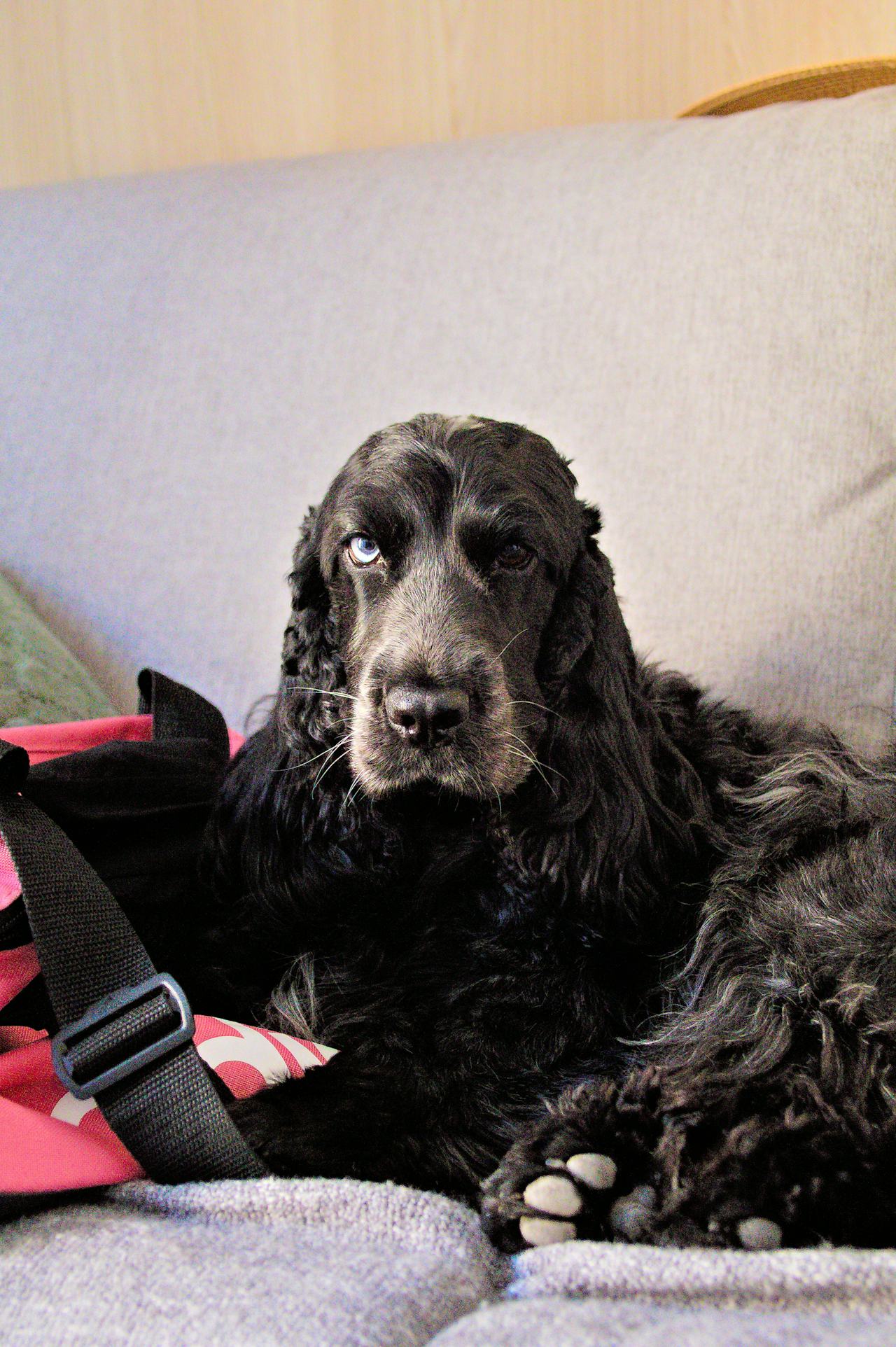
Move bags out of the bottleneck, give the dog space, and rehearse one manageable arrival before guests come over.
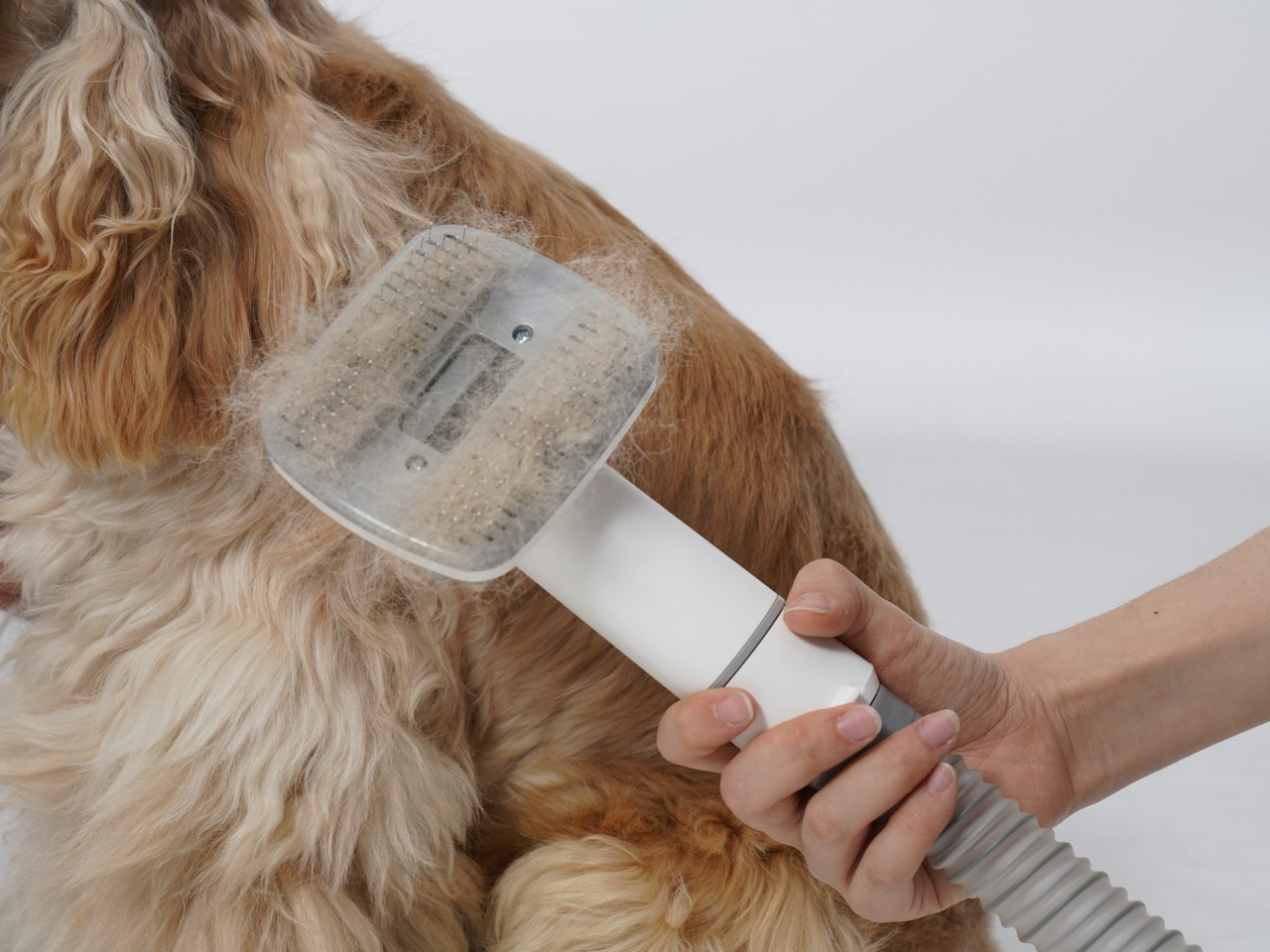
Map comfortable handling, practice one easy step, and keep coat maintenance from becoming a Sunday struggle.