A walk with room to sniff
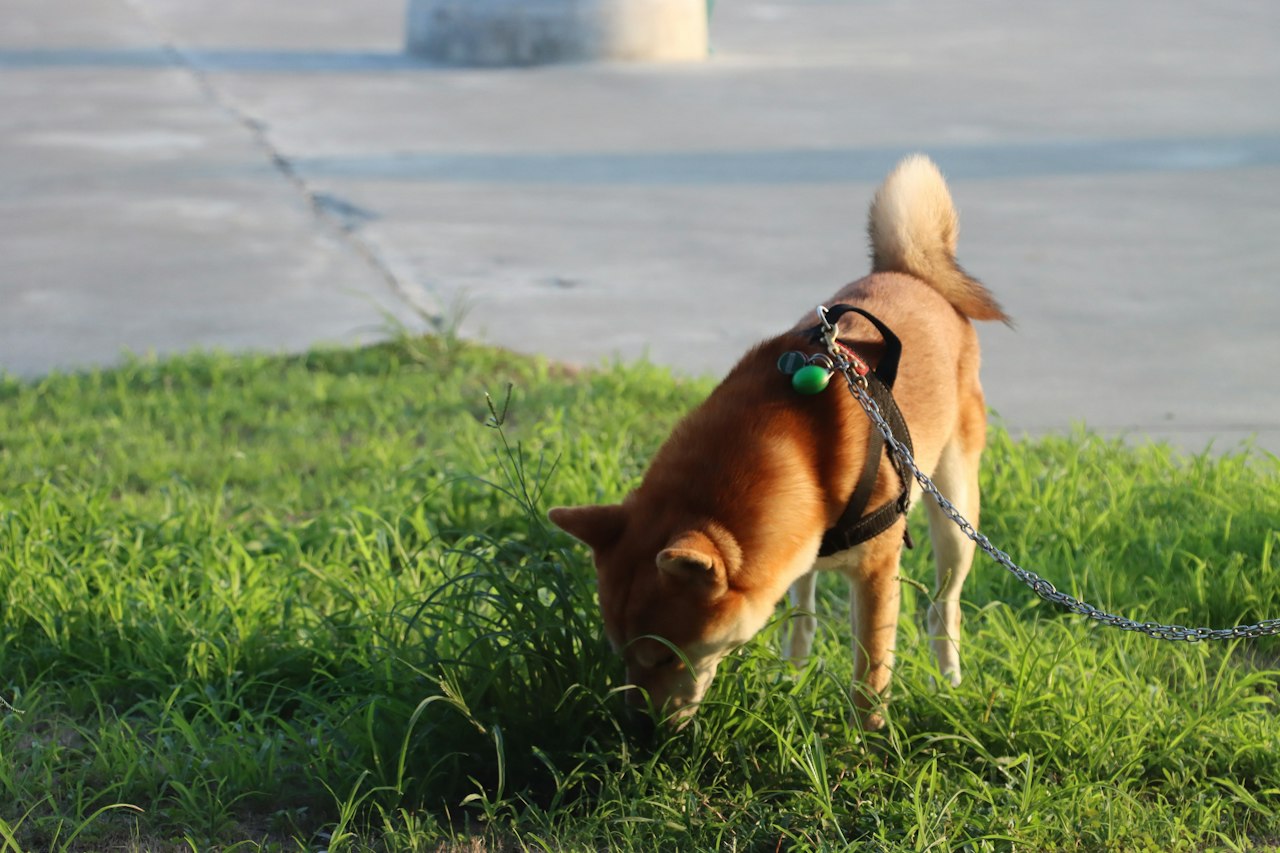
Choose a quieter loop, leave room for safe pauses, and stop every interesting hedge becoming a race to get home.
Picture the door opening while a visitor holds a shopping bag at knee height. The dog jumps toward the bag, the visitor raises it, someone calls the dog’s name, and another person repeats sit. Every moving part has become more interesting. The household may call this a manners problem, but the arrival has been arranged like a small obstacle course.
My first change would be to give each participant less to do. The visitor needs a clear route inside; the handler needs one manageable behavior to reward; the dog needs space. This plan is for everyday excitement. Fear, growling, snapping or a history of bites calls for an individualized safety plan with veterinary and qualified behavior support.
On paper, put the opening door, the dog’s usual position and the guest’s walking route in three places. If those places overlap, the setup asks everyone to squeeze through the same space. Move coats and bags out of the bottleneck before practicing anything.
Choose a resting area the dog already finds comfortable. A suitable barrier may help manage access when the dog is comfortable with it; it should not trap a frightened dog close to strangers. Arrange water, supervision and a clear route for people without crowding the animal.
The doorbell may be obvious, but footsteps, a gate latch or someone standing up can come earlier. Battersea’s greeting guidance begins with identifying what starts the excitement. That is useful because a routine can be practiced before the real visitor has arrived.
Choose one mild version of that event for a short rehearsal. The helper can approach more quietly or start farther away. If the dog is already barking intensely, unable to disengage or visibly worried, making the event louder is not progress. Reduce the challenge and consider professional help if difficulty persists.
The failed version of practice is to stage the complete arrival repeatedly and hope the dog eventually gets tired of it. That gives no clear information about which part is difficult. If a quiet knock is manageable but a ringing bell is not, the next exercise belongs at the quiet-knock level. If even that is too much, the task is to seek an easier starting point, not add a more exciting guest.
Instead of asking the dog to be good, choose something observable: four paws on the floor, a glance toward the handler or remaining comfortably in the waiting space. Reward that response promptly. The American Veterinary Society of Animal Behavior recommends reward-based methods for dog training and behavior modification.
In this household rehearsal, the rehearsal ends after one easy entrance and exit. The helper does not need to make twenty visits in a row. Brief successful practice gives everyone a shared script; a long, increasingly chaotic session can simply repeat the original problem under a different name.
My suggested instruction would fit in one sentence: come in quietly, leave your bag here, and let us tell you whether the dog wants a greeting. Explain it before they arrive. People follow a simple plan more reliably than a list delivered over barking at the threshold.
Once everyone is settled, a greeting can be offered if safe and appropriate. Allow the dog to move away. Avoid bending over, grabbing or insisting on contact. Children need active adult supervision and should not be responsible for running the exercise or interpreting signs of discomfort.
Ask a familiar adult who is comfortable around the dog to help on a quiet day. This is a rehearsal, so there is no need to carry bags, bring children or remain for a long visit. Agree beforehand that the helper will leave space and wait for instructions rather than attempting their own training.
A short sequence makes it possible to see what changes the dog’s response. If the dog becomes worried, stop; the steps are a planning example, not permission to push through distress. The best early session may end before a greeting happens at all.
Afterward, compare the attempt with the actual goal. Did the visitor get inside without crowding the dog? Could the handler reward a behavior they intended to encourage? Was the dog able to disengage? Those observations are more informative than demanding complete silence and stillness throughout an unfamiliar event.
Practice with one helper is useful because it reduces moving parts, but a real visit brings coats, conversation and people changing seats. Plan where the dog can remain comfortable after the first minute. A waiting space that works only while the guest stands still may become difficult when they walk toward the kitchen. Keep a route available so the dog does not need to squeeze past unfamiliar legs or remain beside a busy doorway to reach water.
Give the guest the same simple instruction when they sit down: let the dog choose whether to approach. A dog arriving to investigate a shoe has not necessarily invited a hand over the head. If the visitor wants contact, the handler can help judge whether that is appropriate and keep the interaction easy to end. There is no need to turn a social visit into a series of increasingly intimate tests. Quiet coexistence is a perfectly useful outcome for both dog and guest.
Household members should know who is managing the dog when attention shifts. If the handler leaves to answer a phone, another responsible adult must actively take over or the dog should remain safely separated in a comfortable arrangement. Avoid assuming that somebody in a room full of people is watching. The more exciting the gathering, the less sensible it is to rely on a new skill alone. Manage the environment first, then use familiar training where it genuinely helps.
Imagine the helper arrived more quickly than expected and the dog jumped before the handler could respond. The next useful question is where the plan became harder, not which participant deserves blame. Perhaps the bag was left in the narrow route, the waiting area was too close to the door, or the helper rang the full-volume bell instead of the quieter cue. Write down the sequence in ordinary language so the next rehearsal has a clear adjustment.
A second attempt should be easier, not a demand to prove that the first one was a fluke. Move the practice away from the threshold, reduce the arrival signal or end with the helper remaining outside while a manageable response is rewarded. Progress does not have to mean moving deeper into the house on every repetition. Returning to an earlier comfortable step can preserve the predictability that the exercise was meant to create. Stop if the dog is becoming worried or increasingly difficult to manage.
Also separate enthusiasm from a safety concern. A busy greeting can still cause injury, especially to a small child or someone unsteady on their feet, so prevention matters even without aggression. Growling, snapping, a bite history or fear changes the task: arrange a tailored plan with your veterinarian and qualified behavior support. Do not ask a friend to help test how close a person can get. A safe non-greeting arrangement is useful while that professional assessment is being organized.
A delivery, a party and a familiar friend are different situations. One routine cannot be expected to cover all three. For a short delivery, it may be easiest to manage the dog safely away from the doorway throughout. That is a completed task, not a failed lesson.
After a visit, note one practical issue: perhaps the barrier was in the wrong place or the guest entered too quickly. Change that part next time. If behavior becomes more intense, or the dog seems afraid rather than merely excited, stop rehearsals and seek individualized support.
For the next visit, decide where the guest will put their bag before deciding what command the dog should perform. That small change removes one avoidable source of excitement. Build a predictable arrival around the room you actually have, and keep a comfortable non-greeting option available.
A: No. A comfortable, safely managed alternative is appropriate when the dog or visitor does not want contact, or the situation is too busy. Explain that choice before the guest arrives. The dog should have suitable space and care, and the visitor should not be invited to approach the barrier to persuade them otherwise.
A: Adults should manage the plan. Children should not be asked to handle jumping, fearful or aggressive behavior, and interactions need close supervision.
A: Repeatedly triggering an intense reaction can make practice harder. Start with an easier version and seek help if the exercise cannot remain comfortable.
A: Prevent further crowding, restore safe space and simplify the next rehearsal. Avoid physical punishment or asking the visitor to restrain the dog.
A: Fear, escalating reactions, growling, snapping or any bite risk need a tailored plan. Your veterinarian can consider health and referral options.
Reference details checked Nov 10, 2026. Rules and guidance can change; follow the current source where applicable.
Something needs a correction? Let us know.
Choose a quieter loop, leave room for safe pauses, and stop every interesting hedge becoming a race to get home.
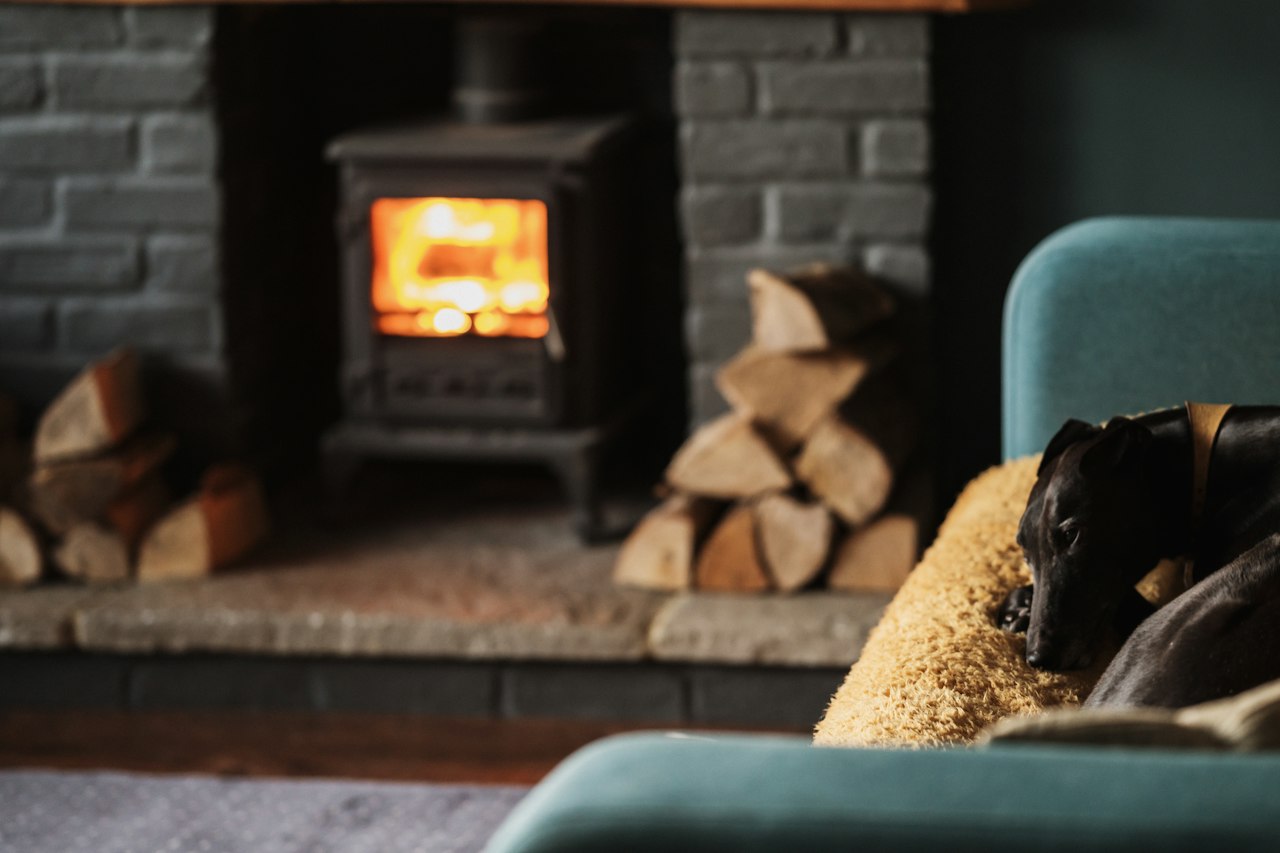
Break the down-and-treat loop and build a resting place that works during an ordinary quiet evening.
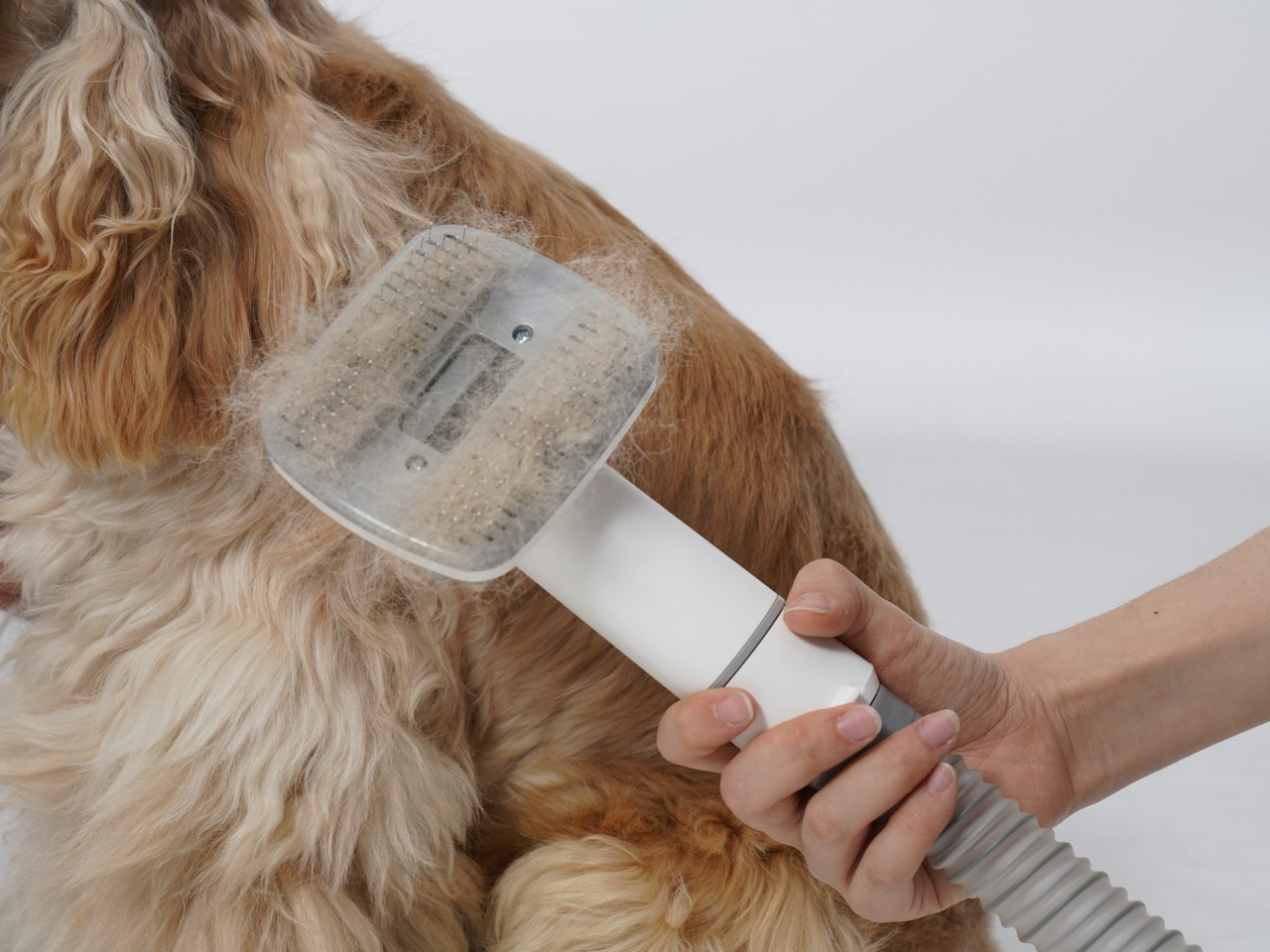
Map comfortable handling, practice one easy step, and keep coat maintenance from becoming a Sunday struggle.