A quieter doorway starts before the doorbell
Move bags out of the bottleneck, give the dog space, and rehearse one manageable arrival before guests come over.
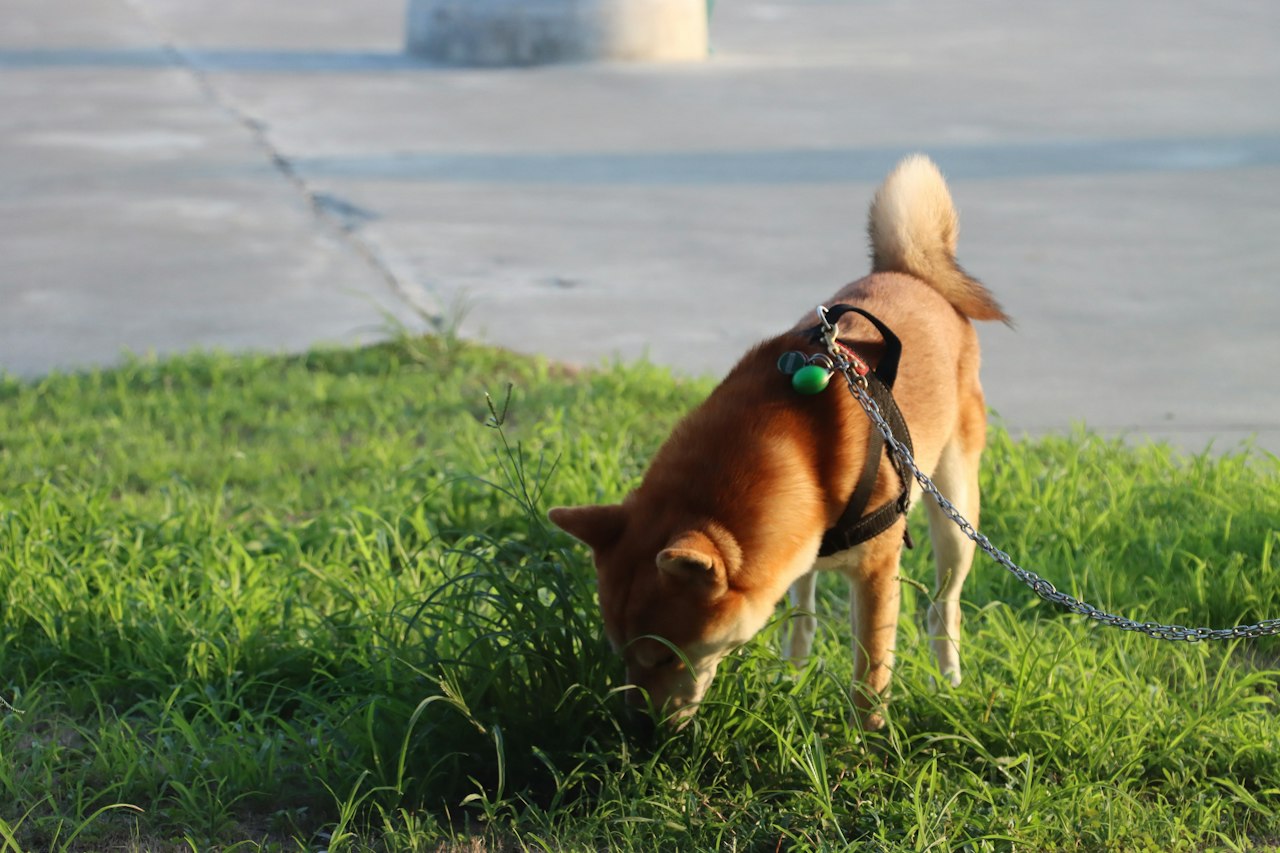
Picture the familiar evening negotiation: you have half an hour, the dog has found a hedge, and the route on your phone says there is still a kilometre to go. You move on. A few metres later, the dog stops again. By the time you get home, the distance is finished but neither of you has enjoyed much of it.
I think the mistake begins before the first tug on the lead. We give the walk a distance target, then treat everything the dog wants to investigate as a delay. A better plan can leave room for exploration while still meeting the individual dog’s exercise needs. PDSA includes sniffing and exploring among the benefits of walks; it does not prescribe one pace, route or duration for every dog.
My starting point is a short loop with an optional extension, rather than an ambitious route that requires rushing home. Mark one quiet verge, one wider pavement and an easy turn back. Those are practical choices, not a prescribed exercise program. A puppy, an older dog and a fit adult may need very different activity plans.
PDSA advises matching exercise to the individual dog, including health and age. If a dog has exercise restrictions, follow the veterinary plan first. A route is useful when both walker and dog can manage it. Returning early because a place is crowded or the dog seems uncomfortable is sensible route management.
A useful route has an exit, not just a destination. If the only way home from the park is through the crowded gate that made the dog uncomfortable on arrival, the plan has no easier version. Check for a side entrance or a quiet return street beforehand. The practical benefit is choice: you can adapt without discovering, halfway through the walk, that the difficult stretch is unavoidable.
The hedge beside a busy junction may be interesting, but it is an awkward place to stop. Keep the crossing brief and controlled, then offer an exploration opportunity farther along. Planning these transitions reduces the feeling that the dog is constantly being interrupted without an alternative being offered.
A sniffing walk still needs attention. Watch for discarded food, broken glass, traffic, wildlife and local access restrictions. Keep the dog secured appropriately; extra lead length is not suitable everywhere. The useful choice is between safe places to investigate, not unrestricted access to every scent or object.
| What you encounter | A workable response | What would change the plan |
|---|---|---|
| A wide, quiet verge | Pause with the dog safely secured and keep watching the surroundings. | Discarded food, traffic or another animal makes the spot unsuitable. |
| A narrow pavement beside a road | Keep enough control to pass safely; offer a better pause farther along. | There is no safe passing space: wait at a suitable point or take another route. |
| A crowded park entrance | Use a quieter entrance or turn back before the dog becomes overwhelmed. | The dog cannot move comfortably or disengage; simplify the outing. |
A dog can investigate the environment and remain connected to the walker. In an easy, quiet place, notice a voluntary glance back or a moment of slack lead and reward it with something the dog values. PDSA’s lead-walking guidance emphasizes reward-based practice rather than punishing natural curiosity.
For that evening route, choose one learning goal: a comfortable transition away from a safe sniffing spot. Keep the cue familiar and the situation easy, rather than adding several unfamiliar commands. If the dog cannot respond, the surroundings may be too difficult; moving to a quieter place can be more useful than repeating the cue.
Suppose your usual loop uses nearly the entire available half-hour when walked at your pace. An alternative is to begin with a smaller circuit that leaves room for pauses and has a familiar extension if appropriate. The half-hour here is only the person’s scheduling constraint, not an exercise prescription. A dog needing more activity will still need an appropriate plan for that need.
On the first attempt, keep the familiar walking equipment and change only the route. The opening stretch gets you away from traffic; the wider path offers opportunities to investigate; the return can be taken before the school gate becomes busy. You do not have to alternate precisely between marching and sniffing. The design simply stops every pause from becoming a negotiation about getting home.
Progress would look ordinary: fewer rushed transitions, places where the dog can investigate safely, and a walker who is watching the surroundings instead of the remaining distance. If the dog finds the new route harder, that is a reason to adjust it. A slower route is an option to evaluate, not a standard the dog has failed to appreciate.
A useful note could read: busy gate, stopped taking familiar rewards, easier walking on the side path. It need not say anxious, stubborn or dominant. Description keeps possible explanations open. It also makes the note understandable to another person who walks the same dog tomorrow.
Three observations are enough: where exploration was easy, where the outing became difficult, and whether recovery after returning home seemed usual for that dog. These are household observations, not a test of stress hormones or proof that one walking style is medically better. Persistent concerns deserve qualified help.
The outward journey often receives all the planning. The return is where a small delay can become a rushed crossing or an impatient tug. In the half-hour example, choose a point where turning toward home still leaves a comfortable margin. That might be the end of the quiet street rather than the far gate of the park. Keep the choice flexible: the useful feature is knowing an easy way back before you need it, not insisting that the dog reach a particular landmark.
A route note can distinguish a useful stop from an awkward pause. Hedge beside wide pavement, clear sight line, easy onward route tells the next walker something actionable. Favourite smell near traffic does not automatically make a safe destination. When a place is unsuitable, move through carefully and offer an alternative where you can stand without obstructing people. Exploring is part of the outing, but it does not suspend ordinary responsibility for other animals, pedestrians and road users.
Consider the transition into the home as well. Have access ready so the dog is not waiting beside an open communal entrance while someone searches for keys. Allow the familiar after-walk routine, including access to water and a comfortable place to settle. There is no need to interpret sleep afterward as proof that one style of walk has produced a special neurological effect. Compare the whole outing with what is usual for this dog and raise persistent changes with the veterinary team.
A good shared walking plan fits on a small note. Include the secure equipment, familiar cue, suitable reward, route choice and places to avoid. If one person gives time at a hedge and another always hurries past it, the dog is not necessarily being inconsistent when the two walks feel different. The humans are offering different situations. Agree on the practical features that matter, while allowing each walker to respond sensibly to weather, traffic and the animal in front of them.
For example, the weekday walker might use the quieter loop while the weekend walker adds the optional path when it is suitable. Both can reward a voluntary check-in and use the same familiar transition cue. Neither needs to recreate an exact number of stops. Ask a new walker to describe the plan back: where is the easy return, what happens if the entrance is crowded, and what signs mean the outing should end? These questions reveal gaps more clearly than a general request to take things slowly.
Keep the note short enough that it will actually be read. A map marked with two safe pauses and one difficult gate can be more useful than a long account of every scent. If a professional is helping with fear or lead skills, share their individual instructions with everyone involved. Avoid adding homemade challenges between sessions. Consistency should make the walk easier to understand; it should not become an excuse to follow an unsuitable plan after conditions have changed.
Suppose the quieter section worked well but the shopping street did not. The next adjustment might be leaving at a different time or entering the park from another gate. There is no need to buy equipment or lengthen the walk before trying that modest change.
Avoid turning slow walking into another target the dog must perform. Some days a dog will move steadily; on others an interesting patch may take longer. Sudden reluctance, limping or unusual fatigue should not be treated as a training problem. Stop the activity and seek veterinary advice appropriate to the signs.
On the next walk, change the map before changing the dog’s behavior. Choose a route with time to pause and an easy return. Notice where exploration is comfortable and where the setting asks too much. That gives the next outing a useful starting point—and makes the walk belong to both ends of the lead.
A: No. Exploration is one part of an appropriate routine. Physical activity still needs to suit the dog’s age, health and individual needs.
A: Not necessarily. Familiar, well-fitted equipment may be enough for the route. Longer lines need suitable space and handling so they do not cross paths, wrap around people or create hazards near traffic. Ask a qualified reward-based trainer for help using one safely rather than treating extra length as an automatic improvement.
A: Start in an easier location and practice reward-based lead skills. Allowing exploration and teaching comfortable movement can be part of the same plan.
A: There is no universal timer. Balance the dog’s interest with safety, your available time and the rest of the outing.
A: Consider health and environmental changes rather than assuming disobedience. Pain, unusual fatigue or persistent changes warrant veterinary advice.
Reference details checked Nov 10, 2026. Rules and guidance can change; follow the current source where applicable.
Something needs a correction? Let us know.
Move bags out of the bottleneck, give the dog space, and rehearse one manageable arrival before guests come over.
Break the down-and-treat loop and build a resting place that works during an ordinary quiet evening.
Map comfortable handling, practice one easy step, and keep coat maintenance from becoming a Sunday struggle.