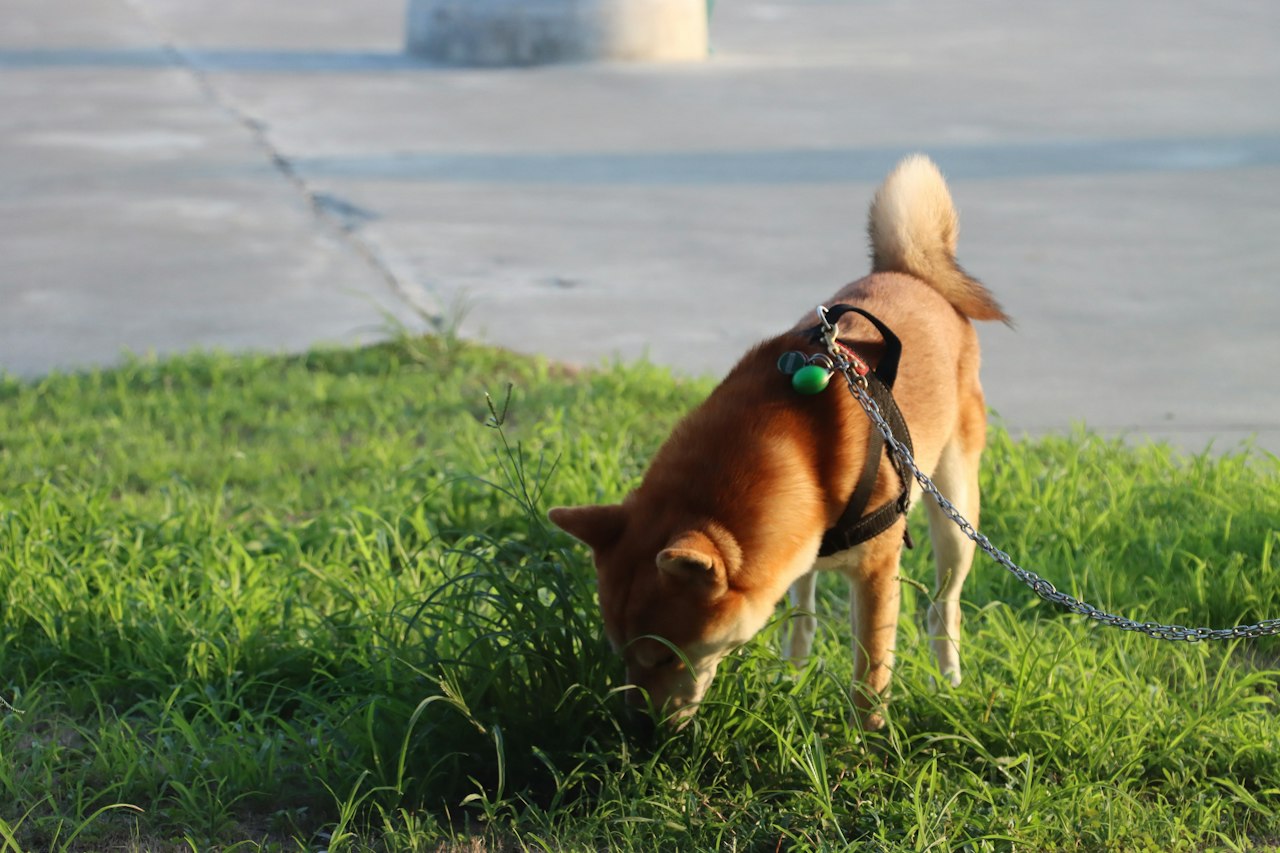
A walk with room to sniff
Choose a quieter loop, leave room for safe pauses, and stop every interesting hedge becoming a race to get home.
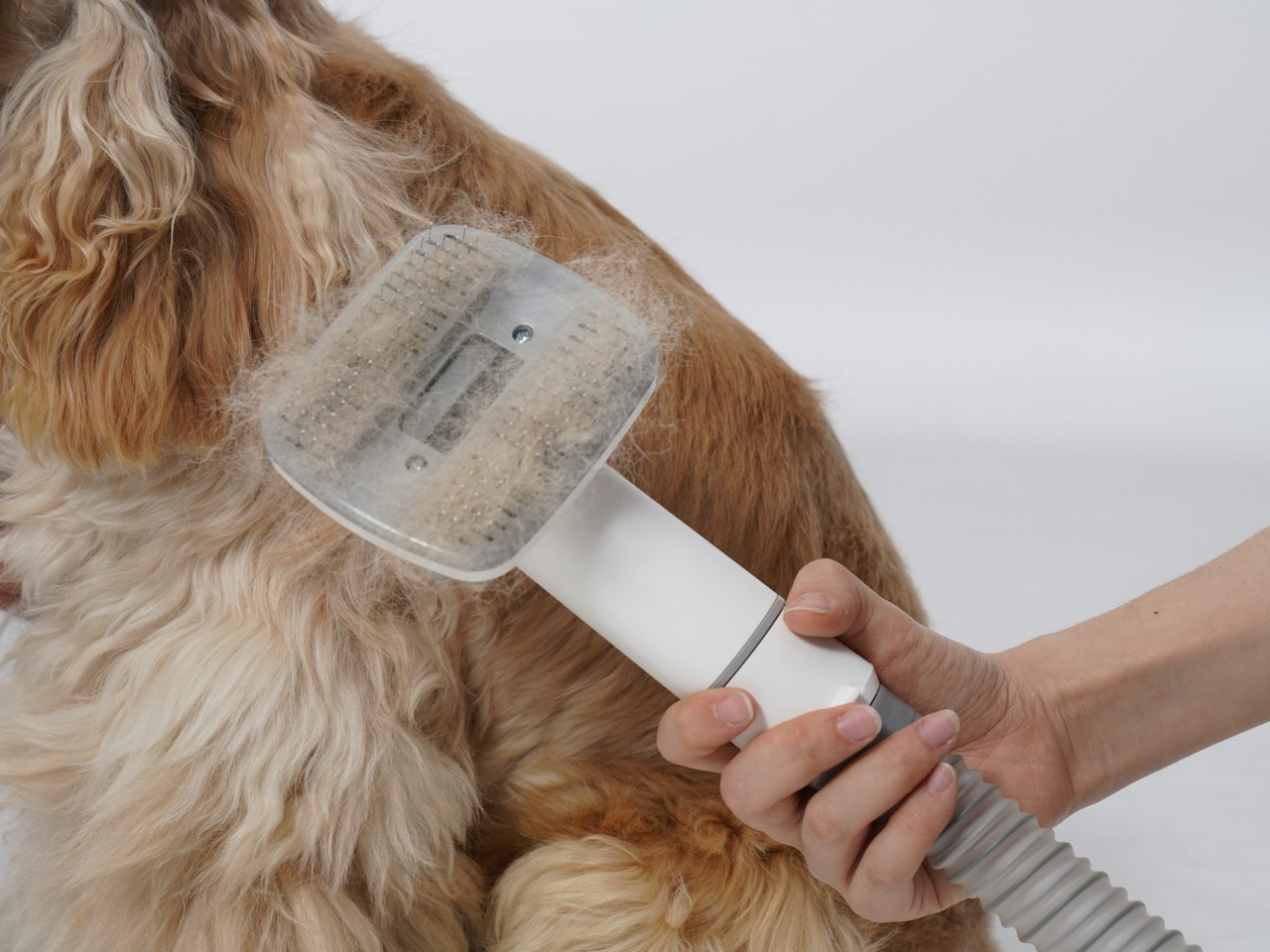
Suppose Sunday is the only time left for brushing. A week of small tangles has become one long job, the dog keeps turning toward the brush, and the person keeps thinking: just let me finish this bit. The problem is no longer simply how to hold a tool. The schedule has made every pause feel like a setback.
I separate this into two jobs: maintaining the coat and teaching the dog what handling will feel like. Finishing the first does not prove the second went well. A dog who freezes through brushing may still be uncomfortable. A better routine leaves short, manageable practice for learning and gets qualified help for coat problems that already need attention.
Start with a look rather than a pull. Notice areas that tend to tangle, any debris, and whether the dog seems unusually sensitive. If the coat is tightly matted, skin is sore or the dog reacts as though touch hurts, stop and ask a professional how to proceed.
A lesson is not the place to test whether a painful knot can be worked out. Animal Trust’s grooming guidance emphasizes equipment suited to the coat and gentle handling. A groomer can demonstrate the right tool on an easy area and explain the maintenance schedule. That is more useful than buying several brushes and guessing which one will pull through a difficult patch.
A slippery kitchen floor can make otherwise mild handling harder. Choose a stable, comfortable place at ground level where the dog can remain supported. Keep the tool and rewards within reach so the person does not repeatedly lean across the animal.
In the Sunday routine, the first change could be moving practice away from a busy doorway. Another person manages interruptions. That does not guarantee cooperation, but it removes avoidable competition for attention and makes it easier to notice the dog’s response. A floor that allows secure footing is part of the care plan, rather than a cosmetic detail.
Let the dog notice the tool at a comfortable distance. Pair easy steps with a suitable reward, then progress while the dog remains comfortable. Dogs Trust describes introducing grooming equipment gradually, including brief contact before more demanding handling. There is no need to hide the tool.
It helps to distinguish showing the brush, moving it closer, touching with it and making a short stroke. Each is a separate step. A dog who accepts the first may not accept the fourth yet. The point is not to finish a checklist in one session; it is to find a manageable starting point.
Draw a simple outline of the dog or use three columns in a notebook: area, action, response. An entry might read shoulder, brush shown then one light stroke, remained nearby. Another might say hind leg, moved away before contact. These are observations, not permission to keep testing a sensitive place. A sudden or localized reaction belongs in a conversation with the veterinarian.
The map prevents a common mistake: treating every part of the body as the same exercise. Comfortable contact on a shoulder does not automatically prepare a dog for feet, ears or a tangled area. Ask your groomer which areas need routine maintenance and which tool is appropriate. Then choose a genuinely easy area for learning, keeping necessary professional coat care on a separate schedule.
Progress is not the size of the pile of hair on the floor. It may be the dog noticing the brush without moving away, accepting brief contact comfortably, or returning voluntarily after a pause. If you need another person to hold the dog still just to complete your planned practice, the step or situation needs rethinking. Discuss a safe approach rather than turning the session into restraint practice.
A pause matters when the person respects it. If the dog turns away, moves off or becomes tense, stop and reassess. Do not use food to distract through handling the dog is trying to avoid. Veterinary or qualified behavior support can help when fear is established.
For a comfortable beginner, one easy stroke followed by a break may be enough practice. Note the area, tool and response. This helps distinguish a general difficulty with brushing from a problem around a particular body area, although it does not diagnose the reason. Share concerns with a professional.
| What you notice | What it changes | Next step |
|---|---|---|
| Loose coat, comfortable handling | Ordinary maintenance may be manageable | Use the demonstrated tool and an appropriate routine |
| Tight mat or sore skin | This is not a practice opportunity | Stop and ask a groomer or veterinarian how to proceed |
| Sudden sensitivity in one area | Pain is a possibility to assess | Contact the veterinary team before repeating the handling |
| Avoidance even before contact | The starting step may be too difficult | Reduce pressure and seek qualified support if fear persists |
Ask the professional to show the task you can safely maintain between appointments, including the tool, direction and body area. A general instruction to brush regularly can mean different things to different people. Write down the agreed frequency for this coat and the signs that mean home care should stop. If you are unsure what counts as a tangle that needs help, ask to see a suitable example rather than discovering the limit by pulling on the dog.
Keep the home equipment simple and identifiable. A brush demonstrated for one coat is not automatically the right choice for another animal in the household. Put tools away after use, inspect them for damage and follow cleaning instructions. The practical aim is to remove the small obstacles that turn a brief session into a search through a drawer. Having the right tool ready also makes it easier to stop at the planned point instead of switching tools repeatedly when progress feels slow.
Schedule maintenance around what the coat needs, with professional support where necessary. Short comfort-building sessions should not become a reason to ignore accumulating mats. Equally, the pressure to finish a full groom should not turn every easy practice into difficult handling. Tell the groomer what has been comfortable at home and what has not. That exchange gives both routines a better chance of supporting each other without pretending that a notebook replaces an examination or skilled coat care.
The brush is only one part of the experience. Leaning over the dog, gripping a leg, reaching suddenly for a reward or standing between the dog and an exit can change how the session feels. Notice those movements before assuming the tool itself is the whole problem. At ground level, arrange yourself so you can make the small intended action without twisting across the animal. Do not work from an unstable position or put the dog on an improvised raised surface.
A second adult can help by managing the room rather than holding the dog still for an exercise they are trying to leave. They might keep children away, prevent another pet interrupting or hand over an item before the session begins. This makes the division of labor clear: one person handles the easy practice, the other protects the quiet setting. If care requires restraint, ask a veterinarian or qualified groomer for an individual plan rather than improvising a wrestling match at home.
At the end, put the tool down and allow a real break. A pause that immediately becomes another attempt to reach the same sensitive area is not much of a pause. Look at whether the dog remains comfortable around the setup and whether the next session can begin at an easy point. Growling, escalating avoidance or new sensitivity deserves attention, especially if it appears suddenly. Stop the handling, keep people safe and discuss possible pain or fear with the veterinary team.
A coat needing regular care still needs that care while comfort is being built. Discuss a maintenance plan with a competent groomer or veterinarian instead of allowing matting to worsen while waiting for training to succeed. Tell them about handling difficulties in advance.
Ask a prospective groomer about handling methods, breaks, communication and what happens if the dog becomes distressed. These questions reveal how a routine appointment will be handled when the dog needs a break. A tidy finish is only part of an appropriate grooming visit; the process matters too.
Before lifting the brush, decide which job is urgent: a comfortable learning step or coat maintenance that needs skilled help. Keep the easy practice easy. A dog who can pause, a person who knows what the tool is for, and a maintenance plan that prevents tangles are more useful than one heroic Sunday groom.
A: There is no fixed number. Start with a comfortable, small step and stop before the session becomes a struggle.
A: Avoid scissors close to skin. Mats can conceal or pull skin into the area. Ask a groomer or veterinarian for a safe plan.
A: No. A dog may take food while still finding handling difficult. Watch the whole situation, including tension, attempts to move away and changes from normal behavior. Use rewards to support manageable steps, not to keep the dog occupied while completing something they are trying to avoid. Ask for help when the response is unclear.
A: Stop handling and keep everyone safe. Growling may signal discomfort or fear. Discuss pain and a safe care plan with your veterinarian.
A: It depends on the coat and required care. Home practice can support grooming, but some coats and problems need skilled maintenance.
Reference details checked Nov 10, 2026. Rules and guidance can change; follow the current source where applicable.
Something needs a correction? Let us know.
Choose a quieter loop, leave room for safe pauses, and stop every interesting hedge becoming a race to get home.
Move bags out of the bottleneck, give the dog space, and rehearse one manageable arrival before guests come over.
Break the down-and-treat loop and build a resting place that works during an ordinary quiet evening.