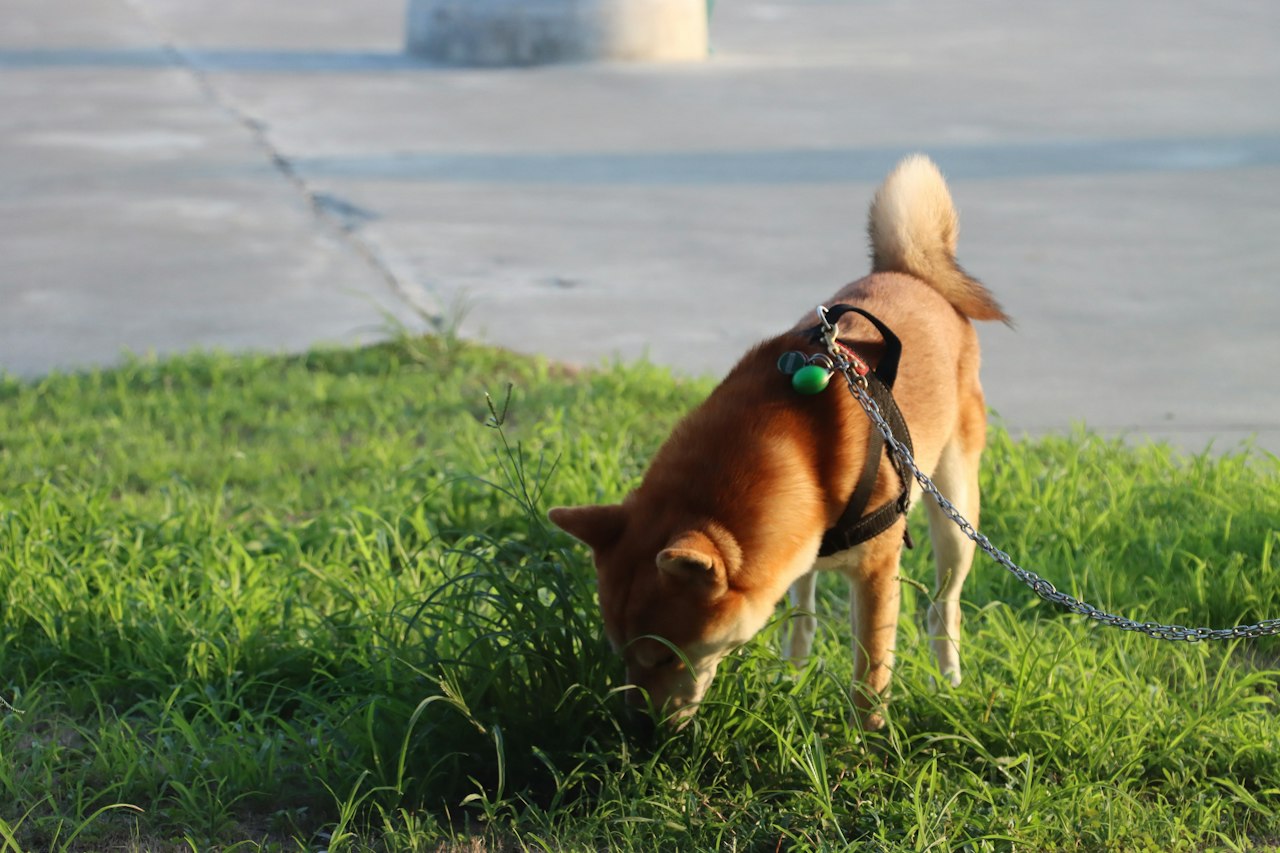
A walk with room to sniff
Choose a quieter loop, leave room for safe pauses, and stop every interesting hedge becoming a race to get home.
Let me walk through a familiar temptation: a dog reaches a field gate on the lead, the grass beyond looks empty, and the reward pouch is already in the walker’s pocket. I can see the appeal of unclipping and finding out whether the kitchen practice has worked. Then I picture the gate clicking behind a runner. That small change is enough to make me reconsider what we are asking the dog to do.
I want the return to be understandable before it becomes urgent. Dogs Trust recommends reward-based recall practice, with suitable long-line management when reliability is not established. In this example, I would keep the field walk managed and build the next exercise in a checked secure space. The next useful step is a comfortable return we can reward and repeat, with the field gate waiting until the foundations are stronger.
I would begin in the secure practice space with the dog only a short distance away. What catches my attention is the final step toward the person: does the dog arrive within comfortable reach, or stop beside the flowerpot and wait? A glance back is useful, but I want to reward the close arrival we will need at the gate. I keep the person’s hands predictable, with no sudden grab, and make the distance easy enough that the dog has a good chance of understanding the invitation.
Choose one cue that the household can remember. Repeating several versions while the dog is occupied makes it difficult for people to be consistent and does not make the environment easier. The early exercise should feel almost unremarkable: a manageable distance, a familiar person and a reward the dog values. That is useful groundwork, not proof that the same cue will immediately overcome wildlife, another dog or an exciting game.
Check the practice area before releasing or extending anything. A field described as enclosed may still have gaps, open gates or other users. A quiet corner can become busy when a path joins it. Look at the whole boundary and the likely distractions, and follow local access and lead rules. The purpose of the location is to reduce the consequences of an incomplete response while you teach, not to provide a dramatic test of whether the training has worked.
If using a long line, learn appropriate handling with a qualified reward-based trainer. Keep it attached to suitable equipment and use it only where it will not create a hazard for people, traffic or animals. Do not wrap a line around your hand, let it cross a busy route or use a sudden jerk as a recall method. The line is a safety tool, not an invitation to give the dog more distance than the space or handler can manage.
Prepare a small portion of suitable rewards from the dog’s feeding plan before the session. Begin close enough that the dog can notice you easily. Call once in the agreed way, reward the completed return and allow an appropriate next activity. Sometimes that activity can be returning to safe exploration. If every recall ends the interesting part of the outing, the cue becomes a reliable announcement that the dog’s choice is about to disappear.
Keep the sequence brief enough to observe clearly. One comfortable return tells you more than a long series that becomes increasingly distracted. Notice what happened before the cue, how far away the dog was and where the reward arrived. If the dog came near but stayed just beyond reach, make the next repetition easier and reward the close position you need. Avoid chasing around the room to finish a training exercise that has already become confusing.
Distance, distraction and novelty are separate challenges. Changing all three at once makes a missed response difficult to interpret. A dog who returns from a few steps away in a familiar enclosed space may be ready for a little more distance there, rather than an unfamiliar park with a moving ball nearby. Keep the easiest successful version available so the next session does not have to begin from the hardest thing attempted last time.
Back at the field gate, I now have a smaller question than can this dog recall outdoors? I want to know which change is manageable next. If the dog returns comfortably in the secure garden but becomes absorbed by movement beyond the fence, I would keep the next practice farther from that distraction. More distance and more excitement can wait. I do not need a dramatic success to justify the session; I need a version the dog can repeat comfortably, with a clear route back to something easier.
| Change | Keep familiar | Make it easier when |
|---|---|---|
| A little more distance | Quiet secure location and same cue | The dog cannot readily orient toward you |
| A mild distraction | Short distance and suitable control | Attention stays fixed on the distraction |
| A new secure location | Easy distance and familiar handler | The surroundings absorb the dog’s attention |
When a dog does not come back, keep the immediate situation safe and avoid adding punishment. Dogs Trust advises against scolding a dog who finally returns. From the dog’s perspective, the unpleasant event happens near the person they have just approached. The useful next step is to identify what was too difficult and adjust the practice, while maintaining appropriate control in settings where a missed response could be dangerous.
Write a neutral description: looked toward another dog, remained at the end of the line, returned when the other dog moved away. That is more useful than stubborn today. The note identifies a distraction and a change in conditions. If the pattern persists, a qualified trainer can help design an individual progression. Sudden changes in responsiveness or movement also deserve a veterinary conversation rather than an assumption that the dog has decided the rules no longer apply.
The final approach is often where people accidentally make recall less appealing. They reach quickly, lean over or end all activity at once. Practice calm, predictable handling at close range in an easy setting, with appropriate rewards, so being within reach is familiar. Do not use the recall cue solely to begin something the dog finds difficult. Handling comfort and recall are related but distinct skills, and each may need its own manageable practice.
A practical outing can include a return, a reward and a little more safe exploration when circumstances allow. Another return may be the end of the walk. The point is not to trick the dog about departure; it is to make coming close a normal part of moving together. If clipping on equipment causes avoidance, pause and consider fit, handling and the previous sequence. A trainer can help with the behavior, while new sensitivity or pain belongs with the veterinary team.
A shared recall plan needs more than the word used. Include the settings where the dog is currently successful, the reward that fits the feeding plan, the equipment and the situations that still require close management. A sitter should not discover the limits by unclipping in a new place. Show one easy practice sequence and explain what to do when a distraction appears before the dog is ready for it.
Before another family member takes the lead, I would leave a note tied to this dog’s current practice: checked secure garden, short distance, familiar cue, reward the close arrival. The field remains an ordinary managed walk. I prefer that modest account to recall is usually fine, because I can imagine the next walker standing at the same tempting gate. The note should help them make the same sensible choice without needing to reconstruct every previous session or guess what the word usually is hiding.
A record of the setting, distance and distraction gives a more honest picture than a single success rate. A return in a quiet garden and a return near running dogs are not interchangeable results. Look for consistent comfortable responses in the current version before making a modest change. Keep practice rewarding even when it feels easy; easy repetitions are part of making the cue understandable rather than merely checking whether it still works.
Freedom should follow an appropriate assessment of the dog, setting and local rules. No general article can guarantee that an animal will return around every distraction. It is reasonable to continue using secure areas and suitable lead management while working with a qualified trainer. The useful achievement is a dog who understands returning and a person who recognizes the conditions in which that understanding is dependable. That combination is safer than confidence based on one impressive run across a field.
I return to the gate content to leave the clip fastened. The useful change is in the plan: a close return worth rewarding, a manageable place to practice and a next walker who knows the limits. That is the kind of progress I trust—something we can describe and repeat before asking it to protect the dog in a harder moment.
A: First make the situation safe. Repeating a cue many times does not remove the distraction or make the task easier. Return to a manageable version of practice and reward a clear response. A trainer can help if missed recalls are becoming a pattern. Keep the next attempt in a secure place at a distance the dog can manage, rather than using another difficult call to check whether the first miss was accidental.
A: Not automatically. The park adds distance, smells, movement and other animals. Build intermediate steps in secure settings, changing one challenge at a time. Keep appropriate lead management until the response is reliable in the conditions you actually face.
A: No. Reward returning to you and review why the earlier cue was too difficult. Scolding at the moment the dog arrives can make approaching you less appealing. The next practice should be easier, with a safe arrangement that prevents another risky test.
A: No. It needs space, appropriate equipment and competent handling. Traffic, narrow paths and other people can make extra length hazardous. Ask a qualified reward-based trainer to demonstrate safe use, and choose a secure setting that fits the exercise.
A: The location, approximate distance, distraction, response and next adjustment. Write what you saw rather than a personality judgment. A few specific notes can help another walker or trainer understand the conditions that were manageable and the ones that need more work.
Reference details checked Nov 10, 2026. Rules and guidance can change; follow the current source where applicable.
Something needs a correction? Let us know.
Choose a quieter loop, leave room for safe pauses, and stop every interesting hedge becoming a race to get home.
Move bags out of the bottleneck, give the dog space, and rehearse one manageable arrival before guests come over.
Break the down-and-treat loop and build a resting place that works during an ordinary quiet evening.