A walk with room to sniff
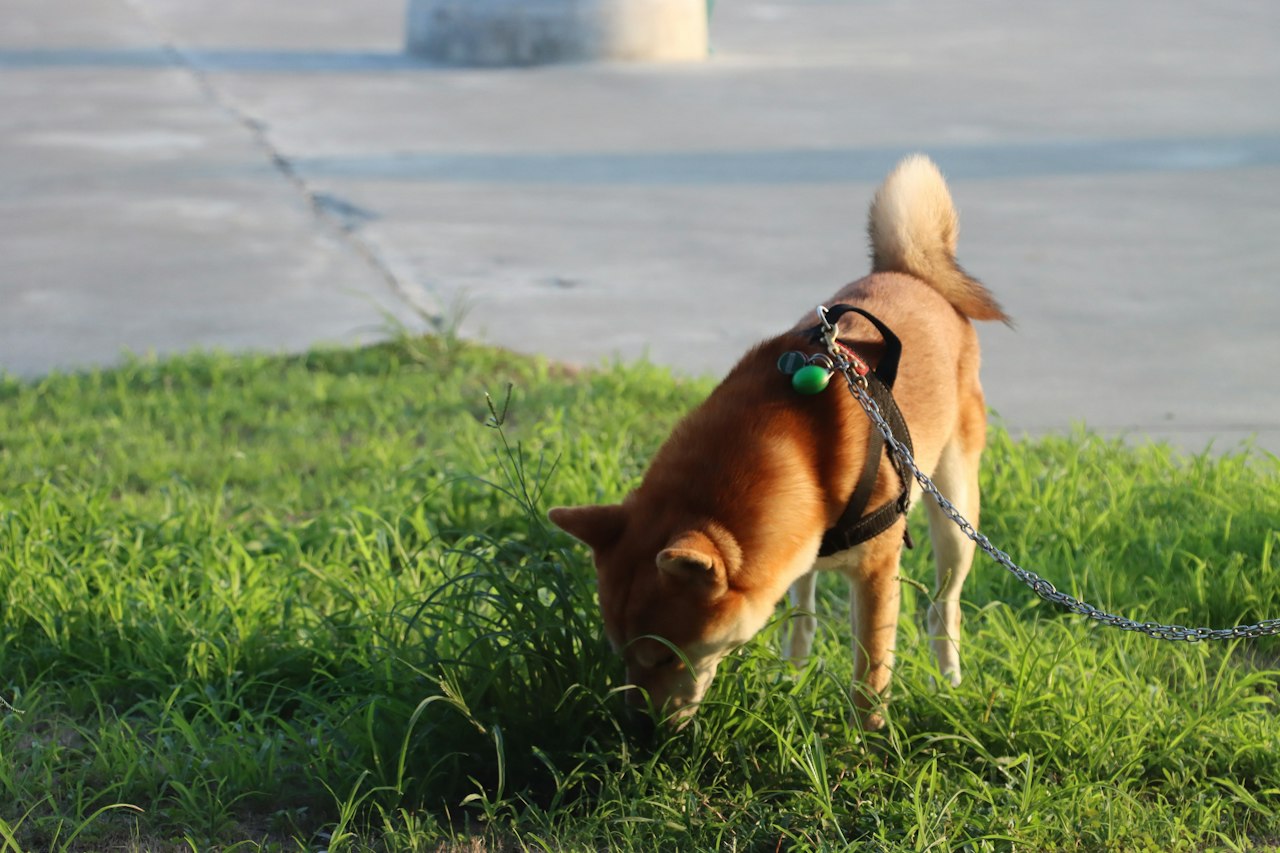
Choose a quieter loop, leave room for safe pauses, and stop every interesting hedge becoming a race to get home.
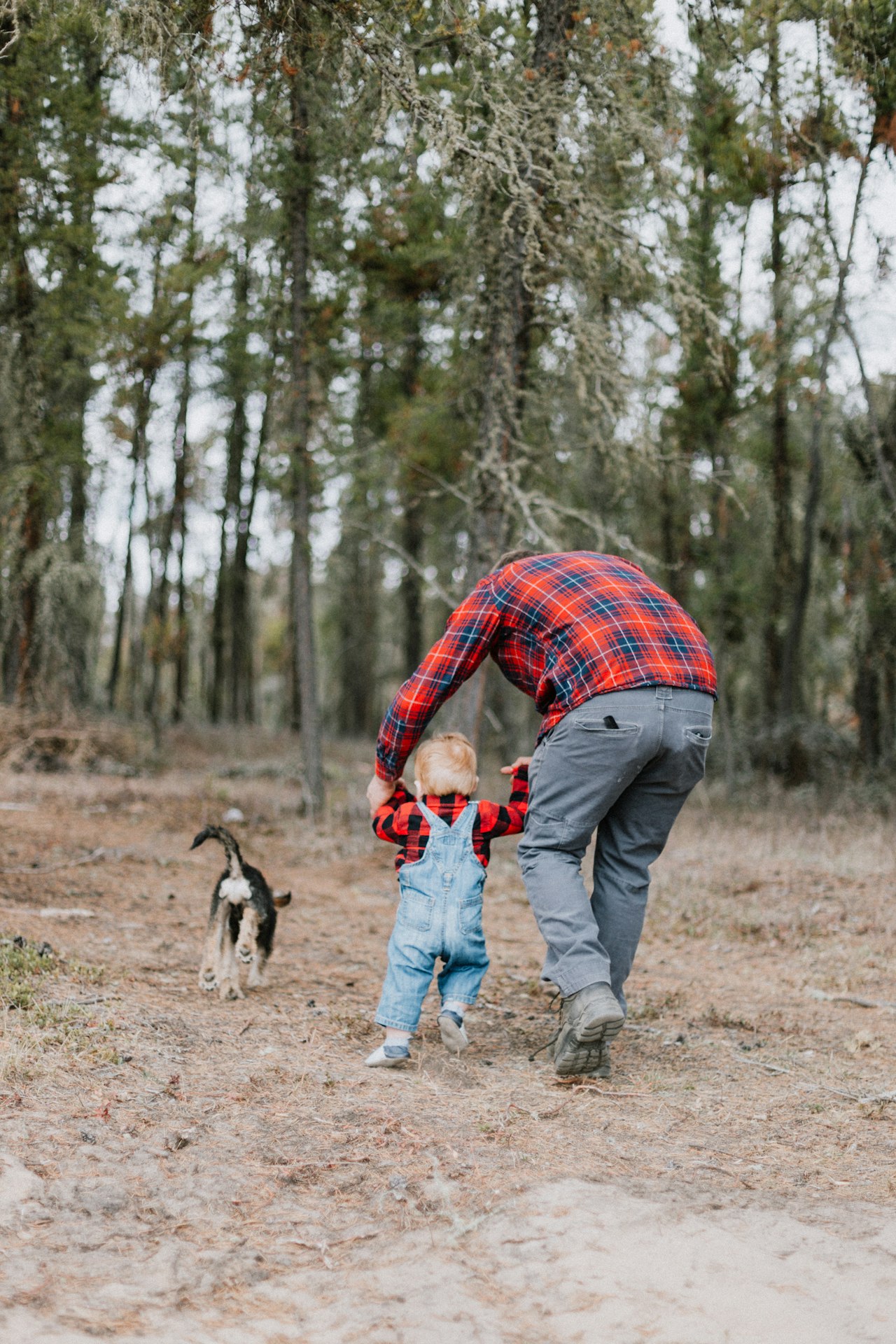
Let us start with one small family-room scene: a child’s play mat beside the coffee table, a dog resting in the gap between table and sofa, and an adult whose phone keeps lighting up. My first instinct might be to remind the child to be gentle. Then I look at the gap. The dog has to pass through the play to leave, and the child would have to climb around the dog to reach the toy basket.
That is where I would change the room before asking for better behavior. Dogs Trust describes close supervision as more than being nearby; RSPCA Australia recommends secure separation when direct adult supervision is unavailable. In this walkthrough, I want a clear exit for both participants and a named adult who can protect it. A familiar family dog still needs those choices.
In a room with several adults, responsibility can become surprisingly vague. Each person assumes someone else is watching while a child moves closer to the dog. Name the adult who is actively supervising and make the handover explicit if they need to leave or focus on something else. If nobody can give the interaction proper attention, separate the child and dog safely. A general instruction to call if anything happens comes too late to replace supervision.
Active attention means being ready to notice and respond to discomfort in either participant. It is not a promise that an adult can prevent every incident from across a room. Choose an arrangement where safe intervention is practical, and avoid asking a child to manage a dog’s behavior. The adult’s job includes ending an interaction before excitement, crowding or frustration makes the situation harder for everyone.
I would move the play mat before moving the dog. From beside the sofa, I trace an open route toward a protected resting place, then check that the child can reach the toy basket without stepping over the animal. That small rearrangement gives the reminder be gentle something practical to stand on. I also look at the adult’s next task: if the phone call needs attention, the plan changes to suitable separation. An open route helps, but it cannot do the supervising for the person.
A protected resting area should remain protected when the dog uses it. Explain that the bed or den is a place to leave alone, then make that rule physically workable. A bed beside the main toy shelf may invite repeated crossings even when everyone means well. Choose a quieter position and manage access. If a barrier is used, it must be suitable for the household and not allow the child to reach through or crowd the dog from the other side.
A broad request to respect the dog is difficult for a young child to apply. Give concrete actions suited to their age and understanding: leave the dog alone while eating or resting; do not climb on, hug or chase; stop and give space when the dog moves away. Demonstrate calm behavior yourself. Adults still remain responsible for safety even when the child can repeat every rule perfectly.
A useful family phrase is that walking away finishes the game. If the dog leaves, the child does not follow to continue petting. If the child becomes uncomfortable, they can also move away and ask the adult for help. This avoids making either participant stay to prove friendliness. The relationship can include quiet shared space and enjoyable activities that do not require close physical contact at all.
Dogs Trust’s child-and-dog guidance emphasizes giving dogs space when they are busy. Eating, chewing, resting and sleeping are not opportunities to practice taking things away or testing tolerance. Put meals and suitable chews in a protected arrangement and keep children out of that area. Do not ask a child to remove a bowl, retrieve a toy from the dog’s mouth or wake the dog to demonstrate that the family pet is trustworthy.
Think about the household schedule as well as the room. After school, children may be energetic and adults occupied with bags and food. That may be a poor time for a close greeting, even if a quiet interaction works well at another point in the day. Manage the transition first. A dog can remain comfortably separated while the family settles, then have an appropriate supervised interaction if both child and dog are ready.
For a dog and child who are comfortable together, keep contact calm and optional under close adult supervision. The adult should manage the setup and watch the individual dog, rather than giving the child responsibility for reading subtle signals. If the dog turns away, moves off, becomes tense or otherwise appears uncomfortable, end the interaction and provide space. Do not insist on one more stroke so that the child can finish what they started.
Suppose the dog turns away during a calm supervised greeting. I would help the child return to the blocks on the play mat while leaving the dog’s route clear. I do not need to call the interaction a failure or insist on one last stroke to end it nicely. The ending is the lesson: either participant can leave, and the adult makes that choice ordinary. If the child is too excited to let the dog go, I would separate them safely and choose another time rather than repeat corrections over the same crowded moment.
Some problems are built into the arrangement. A dog’s bed in the only passage to the bathroom means people repeatedly step over the resting animal. A child’s snack at dog height may create competition for food. Toys scattered beside a chew can make it unclear what belongs to whom. Move those situations apart rather than expecting constant perfect self-control from a child and dog sharing the same small area.
In a compact home, separation may require changing how a room is used at different times. The adult can supervise a short shared period, then close a suitable barrier while preparing a meal or taking a call. Check that the dog’s side includes comfortable space and necessary resources, and that the child cannot open the arrangement unexpectedly. The system should work during ordinary interruptions, not only while everyone is discussing the safety plan.
| Busy household moment | Prepare first | Use separation when |
|---|---|---|
| After-school arrival | Clear bags and food; give the dog space | The adult is occupied with the arrival |
| A child plays on the floor | Protect the dog’s route and resting area | Play becomes too excited to manage closely |
| Meals and chews | A protected feeding arrangement | Children cannot reliably leave it alone |
Growling, snapping, a bite history or persistent fear needs an individualized safety and behavior plan. Stop the interaction, keep the child and dog safely apart and contact your veterinarian for assessment and appropriate referral. Do not stage another encounter to see whether the reaction happens again. A child should never be recruited to help test a dog’s tolerance or carry out behavior modification around a known concern.
Avoid punishing the dog for warning signs. The priority is to understand what made the situation difficult and prevent another unsafe interaction. The veterinarian can consider pain or other medical factors, while a suitably qualified behavior professional can help the family manage the environment and develop a plan. If anyone is injured, obtain appropriate medical care. A general family-room guide is not a substitute for an assessment after an incident.
A visiting child adds unfamiliar movement and expectations to the room. Explain the dog arrangement to the visiting adult beforehand and decide whether contact is appropriate at all. For a busy playdate, a comfortable separate area may be the most practical choice. The dog does not need to take part in every family event, and a child should not feel obliged to greet an animal they are uncertain about.
Keep toys, snacks and excited games away from the dog’s resting space. If a calm supervised interaction is suitable later, the responsible adult can arrange it when both participants are ready. Do not let the visiting children crowd a barrier or call repeatedly to bring the dog out. The same exit rule applies to guests: moving away ends contact, and the adults make sure that choice is respected. Planning this before arrival prevents a friendly invitation from turning into an unmanageable group greeting.
When a grandparent or babysitter arrives, I would show them the gap we cleared and the resting area we protect. It is easier to explain a visible arrangement than to hand over a vague promise that the dog is good with children. I name who supervises, demonstrate how separation works and make clear that visitors can choose no contact. A child who has a dog at home still needs these instructions for this room and this animal; familiarity elsewhere does not tell them where the exit is here.
Write a short handover for regular caregivers: feeding takes place separately; the dog’s bed is left alone; children do not take toys or chews; if active supervision stops, the barrier closes. Add any individual instructions from your veterinary or behavior team. This makes the plan portable without expecting the caregiver to infer everything from a general statement that the dog is good with children. Safety is an arrangement maintained by adults, not a permanent label attached to an animal.
The scene I want to leave behind is deliberately ordinary: the child can reach the blocks, the dog can reach a quiet resting place, and the adult knows when to end shared time. I would judge the arrangement by those usable choices. A good relationship does not require constant contact; it needs enough space and attention for the comfortable moments to remain comfortable.
A: No. Dogs Trust distinguishes close supervision from merely knowing where the child and dog are. The responsible adult needs to give the interaction attention and be ready to act. If a phone call, cooking or another task makes that impossible, use suitable secure separation.
A: Do not make hugging, climbing on or restraining the dog part of ordinary contact. Familiarity does not remove the need for space and choice. Adults should guide calm, appropriate interaction and allow the dog to move away without being followed.
A: Adults should manage food and chews in a protected arrangement. A child should not retrieve them, take a bowl away or test whether the dog will share. Ask your veterinarian or qualified behavior professional for individual advice if food-related concern exists.
A: End the interaction and safely separate the child and dog. Do not punish the warning or repeat the approach as a test. Contact the veterinary team to assess possible medical factors and arrange appropriate behavior support and a tailored safety plan.
A: No. Comfortable time apart is part of a workable household. It protects rest and allows adults to handle tasks that need their attention. Positive shared experiences can happen when the setup and supervision are suitable; constant access is not required for a good relationship.
Reference details checked Nov 10, 2026. Rules and guidance can change; follow the current source where applicable.
Something needs a correction? Let us know.
Choose a quieter loop, leave room for safe pauses, and stop every interesting hedge becoming a race to get home.
Move bags out of the bottleneck, give the dog space, and rehearse one manageable arrival before guests come over.
Break the down-and-treat loop and build a resting place that works during an ordinary quiet evening.