A litter tray location audit, from the cat’s height
Compare routes, noise and everyday access to find the barriers a tidy-looking litter corner can hide.
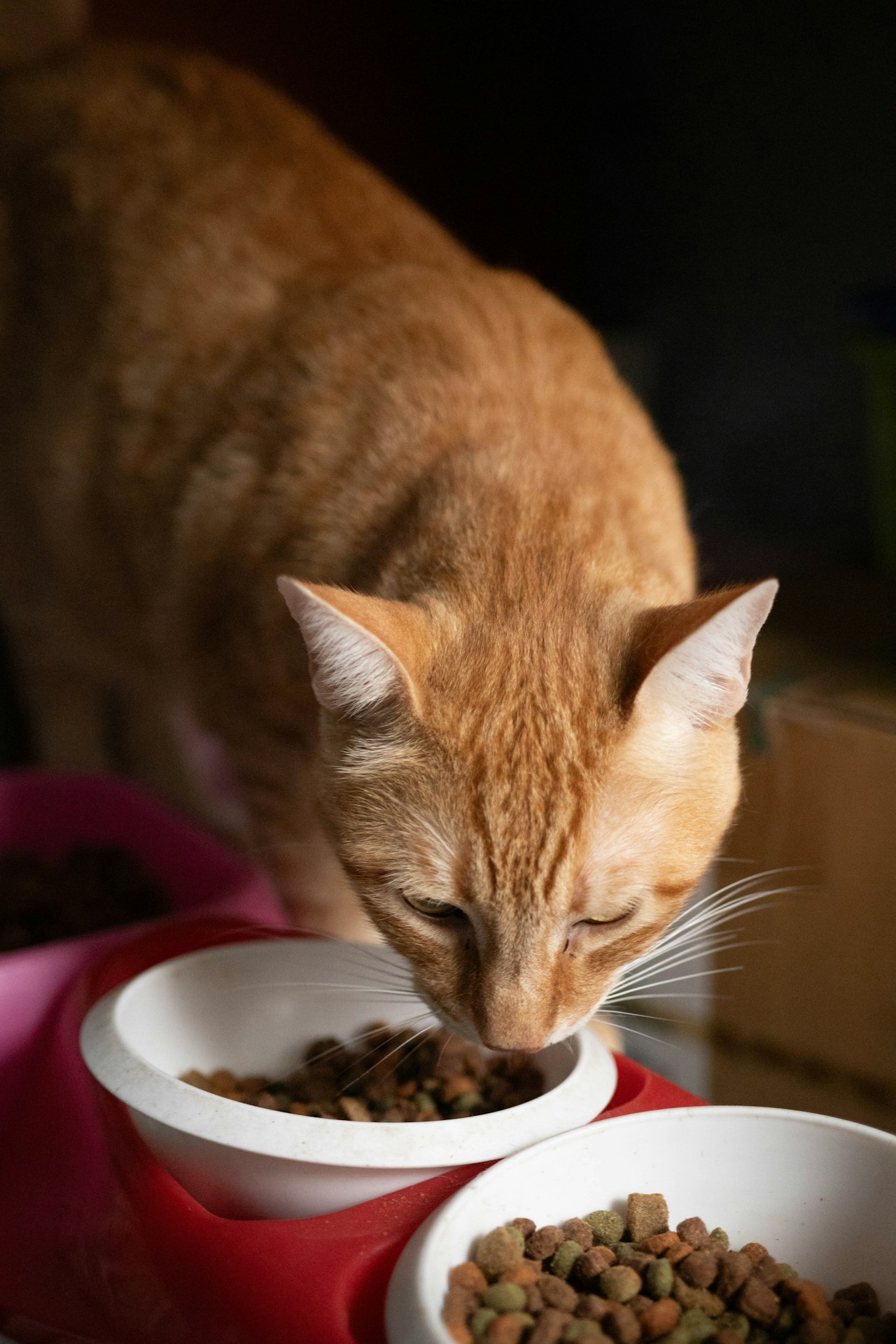
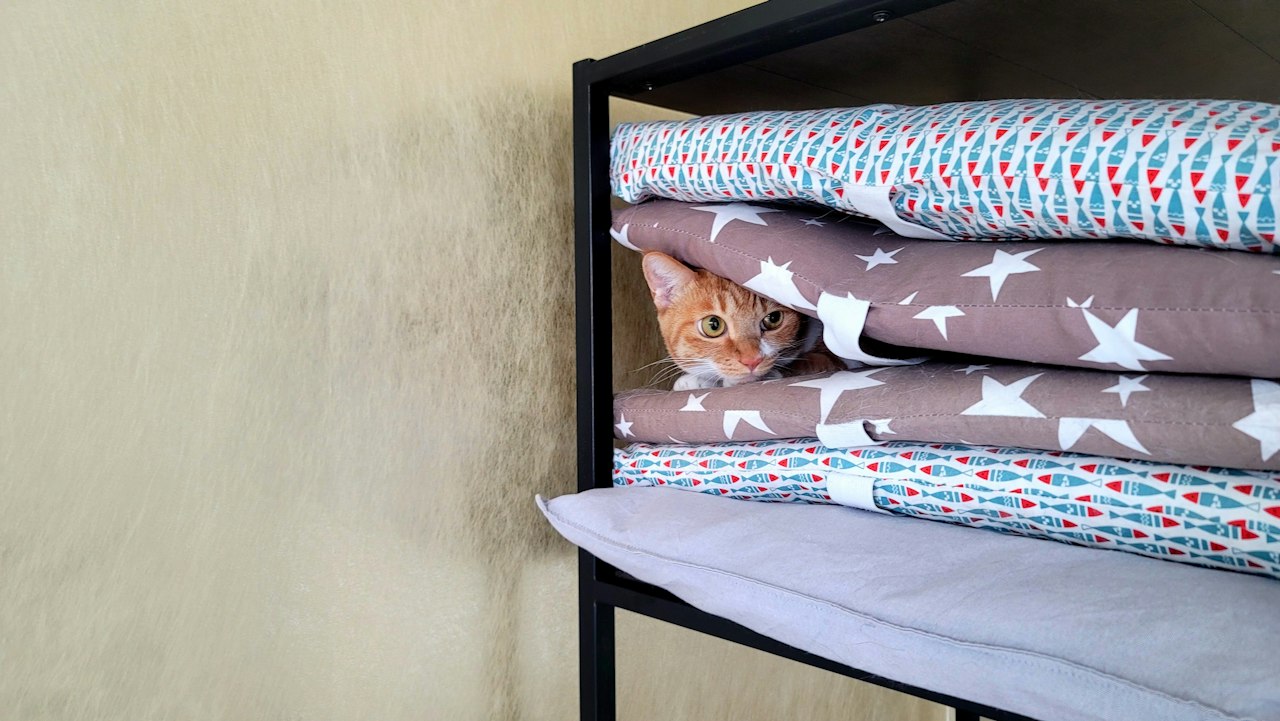
Let me sketch a one-bedroom flat with two cats, two feeding bowls and a short hallway that seems to connect everything. One cat rests by the kitchen entrance; the other waits on the sofa. The bowls are full, so it would be easy to count the resources and declare the setup adequate. I would rather draw the route the waiting cat has to take. That is where the room begins to tell a more useful story.
The AAFP and ISFM guidelines recommend multiple separated key resources, and Cats Protection emphasizes avoiding competition in multi-cat homes. I use those principles here to look for meaningful choices within a modest space. I am not trying to fit another accessory into every gap. I want to see whether a small placement change can give each cat an ordinary destination that does not depend on the other moving first.
On my sketch, I would draw the hallway before the bowls. Then I add the sofa, resting places, food, water, trays and scratching surfaces, followed by the routes between them. The lines in this flat keep meeting at the kitchen entrance. That does not prove why one cat waits, but it gives me something concrete to observe at another ordinary mealtime. A map need not be accurate to the centimetre to reveal dependence on one passage; it needs to show the journey each animal would actually have to make.
Observe at different ordinary times. The room may work differently when people are home, doors are closed or the laundry rack is out. Record what you see: one cat waits near the bedroom while another eats, or a resting place is used only after the other cat leaves. Avoid assigning a personality label immediately. The practical information is which route or resource becomes difficult, and what change might provide a genuine alternative.
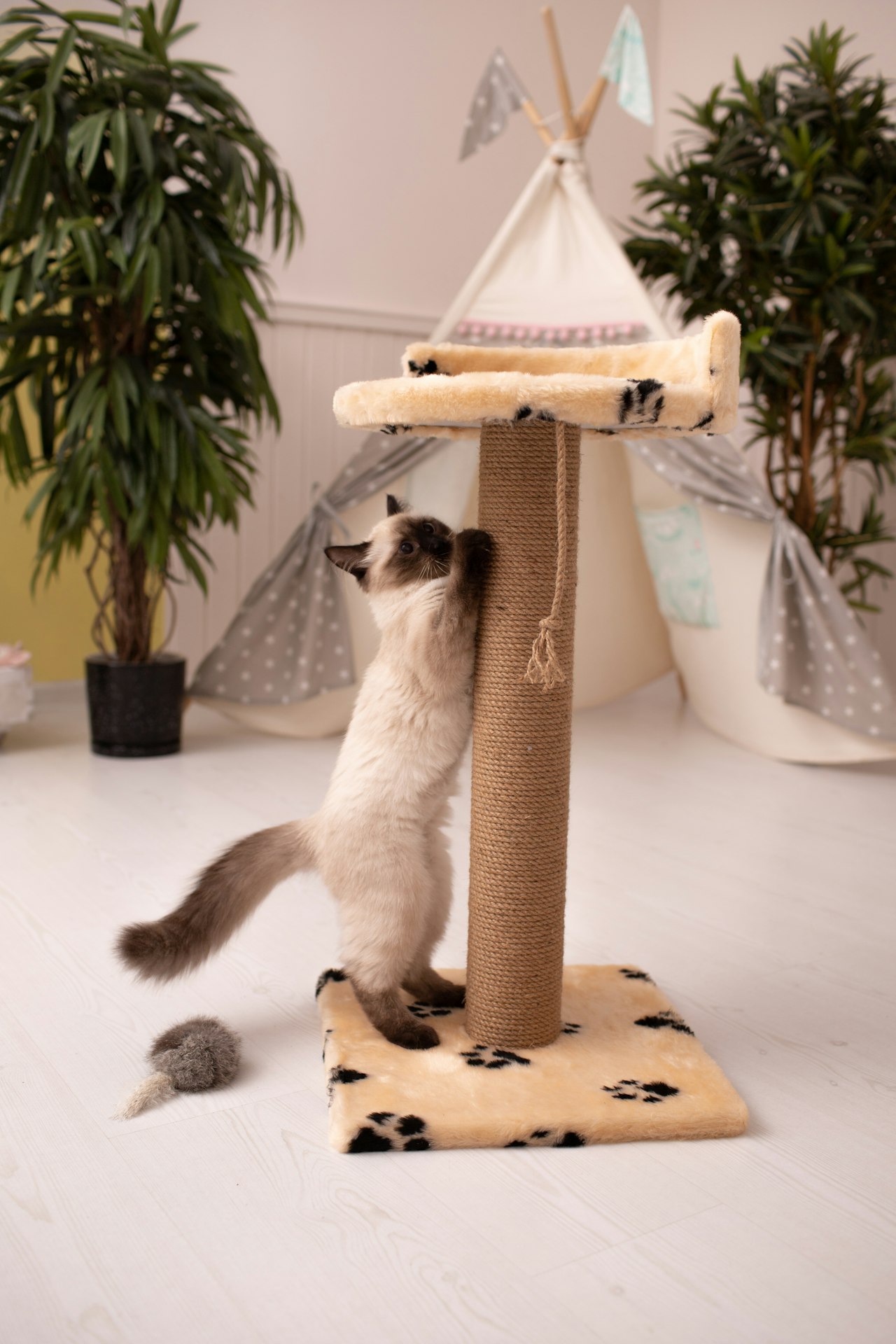
The environmental guidelines identify food, water, toileting, resting, scratching and play as resources worth considering separately. Arranging them all around one bed may be convenient for a person but compresses the cat’s choices. Give toileting appropriate separation from food and water, and look for quiet accessible places for rest. The goal is not a decorative matching station; it is a home in which different needs can be met without constant overlap.
Even a single cat can benefit from choice. One water location may be quiet in the morning and busy in the evening. A bed near the family may be useful during calm time while another retreat offers privacy. Multiple options should remain practical to clean and maintain. Adding objects that the household cannot keep accessible or hygienic creates a different problem rather than completing a checklist.
Imagine a flat with an open kitchen-living room, a bedroom and a short hallway. Two cats currently eat beside the kitchen doorway, drink beside the food and share a litter area reached through the hall. One cat often waits on the sofa until the other finishes moving through the kitchen. The first task is to identify a second suitable feeding destination, not to squeeze a third bowl into the same doorway.
I would investigate a clean, suitable feeding position in a separate part of the living room, away from the litter area, rather than add another bowl beside the existing pair. I would also look for a quieter water option while preserving familiar access. Before moving anything, I check whether the new position creates a squeeze behind the sofa or a place another cat can block. The aim is a distinct usable destination. A change that merely transfers the bottleneck across the room would not answer the problem on my sketch.
The hallway still deserves attention. If both litter trays remain behind the same narrow entrance, their number does not remove dependence on that route. Consider an additional suitable location and discuss persistent toileting or social difficulties with the veterinary team. A small home may require compromises, but the map makes those compromises visible. It is better to identify a limitation honestly than to claim that a numerical rule has solved it.
| Current arrangement | Question to ask | Possible improvement |
|---|---|---|
| Two bowls at one doorway | Can one cat control the approach? | A suitable separate feeding destination |
| All water beside food | Is there another quiet accessible option? | An additional water location |
| Two trays behind one passage | Does the route remain usable? | A distinct suitable destination |
| Beds beside each other | Can either cat withdraw privately? | Separate resting choices |
Ordinary furniture can sometimes reduce direct confrontation between resource areas. A suitable screen or the position of a sofa may allow cats to use different destinations without watching each other constantly. Check that any divider is stable, safe and does not create a narrow dead end. The useful effect is more comfortable access, not hiding one cat in a corner where the other can block the only exit.
Trace both the approach and the departure. A feeding position behind furniture is less useful if the cat must squeeze past another animal to leave. Keep the arrangement easy for the person to clean and inspect as well. If a proposed solution depends on the household moving a heavy object every day, it may not remain reliable. Choose changes that can survive ordinary use rather than a layout that works only for the initial photograph.
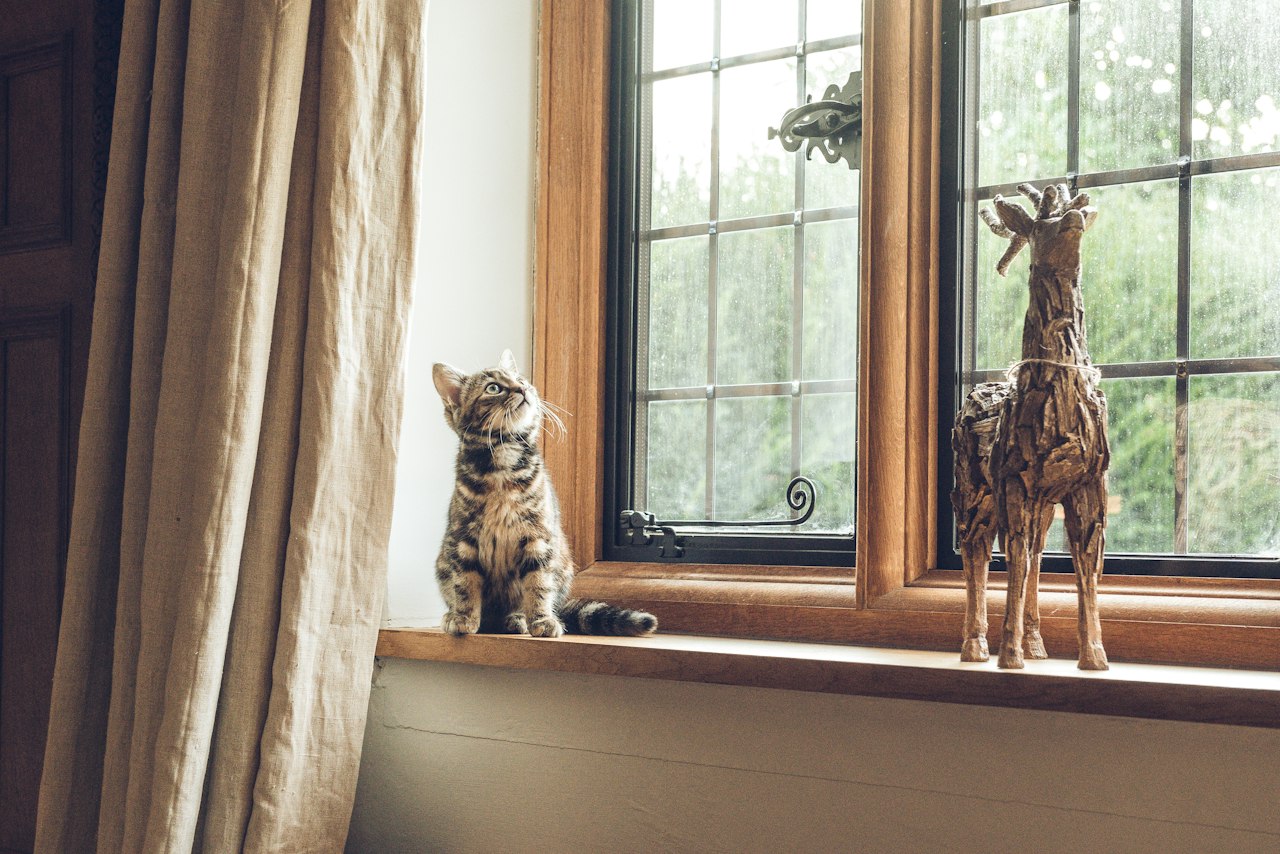
Suitable elevated resting places can add usable space, but each cat still needs a practical way to reach and leave them. Stable support, appropriate installation and safe windows matter. A high shelf does not solve competition if it has one narrow approach controlled by another cat. Nor is it a substitute for accessible resources at a level a cat with mobility difficulty can comfortably use.
Look at the individual’s ordinary movement and ask the veterinary team about new hesitation or physical difficulty. Do not assume reluctance to climb is a preference that can be overcome with a more tempting reward. Where elevated options are appropriate, keep lower alternatives as well. The value lies in choice. A room becomes more useful when the cat can select a comfortable destination, not when every essential need requires a climb.
Choose one observed problem and one reversible change. If a water location is regularly blocked, add a suitable separate option while preserving the familiar bowl. If one resting area is repeatedly interrupted, provide a quiet alternative away from that route. Changing every resource at once may unsettle the household and makes it difficult to understand which adjustment helped. A modest experiment can produce clearer information.
Keep routine care consistent and note actual use. Used the second bowl after the evening meal is more useful than seems happier with the new layout. Do not force the cat to demonstrate the new resource or remove all familiar options to encourage use. The experiment should increase choice. If the cat ignores it, reassess location, accessibility and the wider context before concluding that additional resources are unnecessary.
Doors and people can undo a good plan. A bedroom water bowl is not an available resource when the door is closed all day. A quiet resting corner may stop being quiet when a child’s play area moves beside it. Explain the arrangement to caregivers and identify the few access rules that matter. A clear note about keeping a route open can be more useful than adding another object elsewhere.
Cleaning should preserve the intended separation. Avoid temporarily collecting every bowl in one place and leaving them there after washing. Return trays, beds and scratchers to the positions that were working, unless a deliberate change is being tested. If someone moves a resource for practical reasons, tell the household. The aim is not rigid furniture placement; it is maintaining the access and choices on which the cats have begun to rely.
Separate resources are a useful environmental principle, but they do not diagnose or resolve every behavior or medical concern. Persistent hiding, blocking, pursuit, appetite changes or toileting problems need appropriate assessment. New difficulty passing urine requires immediate veterinary attention rather than a trial of a different room arrangement. Tell the team what changed and bring the simple layout note if it helps explain the home.
A qualified behavior professional can help after health concerns are considered, particularly when the cats cannot use the home comfortably despite practical changes. Be honest about the space and the family’s ability to maintain separation. Some situations require more support than another bowl or shelf can provide. The welfare of each cat is the measure of success, not the number of accessories installed or the household’s hope that the animals will eventually work it out.
When I return to the plan, I would look for a small ordinary difference: can the waiting cat now approach a suitable resource without waiting for the kitchen entrance to clear? I would make the same check for rest, water and toileting during the busy part of the day. Two cats sharing a bed would make a charming photograph, but it is not the evidence I need. Comfortable access matters even when the cats choose separate company, and any continued waiting or displacement deserves a closer look.
Keep the successful changes and remove clutter that does not serve a purpose. A compact home benefits from deliberate placement more than from filling every gap with another pet product. Review the map when furniture, routines or the animals’ needs change. The best arrangement is one the household can maintain and the cats can use without negotiating every essential activity through the same narrow point.
The sketch can stay simple. I would keep the changes that create usable choices and revise the ones that merely move the queue. This flat has not become larger, and the cats have not been asked to become closer friends. The useful aim is more modest: an ordinary meal, drink or rest that each animal can reach without negotiating the same narrow doorway every time.
A: They are two containers but may function as one destination. If one cat can control the approach or both must eat close together, the arrangement may offer little choice. Consider suitable separate locations and observe whether each cat can use them comfortably.
A: Yes. A single cat can benefit from different suitable locations for different needs and alternatives when one area becomes busy. Keep the setup practical to clean and maintain, and avoid clustering food, water, toileting and rest solely for human convenience.
A: They may add useful resting options when safely installed and accessible, but they do not replace every resource or suit every cat. Check the route down, window safety and individual mobility. Keep appropriate lower options and ask for advice if movement changes.
A: Watch repeated patterns such as waiting at a doorway, changing route or using a resource only after the other cat leaves. Avoid a diagnosis from one moment. Record the context and seek qualified advice if tension persists or essential activities are affected.
A: Call about new health or toileting changes, persistent fear or conflict, or any concern that the cats are not meeting basic needs. Difficulty passing urine is urgent. A layout adjustment can support care, but it should never postpone medical assessment.
Reference details checked Nov 10, 2026. Rules and guidance can change; follow the current source where applicable.
Something needs a correction? Let us know.
Compare routes, noise and everyday access to find the barriers a tidy-looking litter corner can hide.
Clear a route to food, water and the tray, reduce repeated visits, and know which changes need a veterinary call.
Use the marks on the sofa to choose a stable surface, a useful position and one change worth testing.