One treat budget for the whole household
Add up walks, training and chews with worked label arithmetic, then give every caregiver the same daily plan.
For this handover, picture two similar food bags in the kitchen cupboard, an unmarked scoop and a carrier behind the spare-room door. The owner can explain all of it in a minute. The sitter, arriving alone tomorrow, will have to remember which details mattered. My instinct is to write more instructions; my better first move is to ask the sitter to walk through one actual visit while the owner is still there.
I want the page to follow the work, not the other way around. PDSA recommends written holiday-care instructions, and Cats Protection advises leaving contacts, veterinary information, supplies and daily routines. In this example, I would turn those essentials into a demonstration and a short usable record. The small hesitations during the rehearsal are useful: they show what the written handover has not yet made clear.
Start with the pet’s needs and the caregiver’s ability to meet them. A dog needing companionship and several outings is not served by a note written for brief cat visits. An animal with a medical condition may need specific skills, timing or supervision. Discuss the proposed arrangement with the veterinary team when health affects care, and check that the sitter is comfortable and competent with the actual tasks.
Cats Protection recommends meeting a sitter in the home and checking relevant experience, references and insurance. Ask practical questions rather than relying only on a warm profile: how will visits be covered if the sitter becomes ill, what happens if the animal cannot be found, and can they follow the prescribed care routine? The answers should be concrete enough that the household knows what will happen during an ordinary day and an unexpected one.
I would start at the front door and let the sitter show me how the visit begins: enter safely, prevent an escape, locate the pet and check the agreed observations. Then we reach the cupboard with the similar bags. If the sitter pauses there, I have found a labeling problem before tomorrow’s visit, not a failure of memory. I would continue through food, water, any agreed care and securing the home, with the sitter performing the sequence while the owner can explain and correct the arrangement calmly.
The demonstration should use the real equipment. Show the correct carrier, harness, scoop and cleaning supplies rather than pointing generally toward a cupboard. Explain any protected spaces and routes that need to remain open. If the dog’s walking plan excludes off-lead exercise or certain situations, say so explicitly. A sitter should not have to infer safety limits from a phrase such as usually good with other dogs.
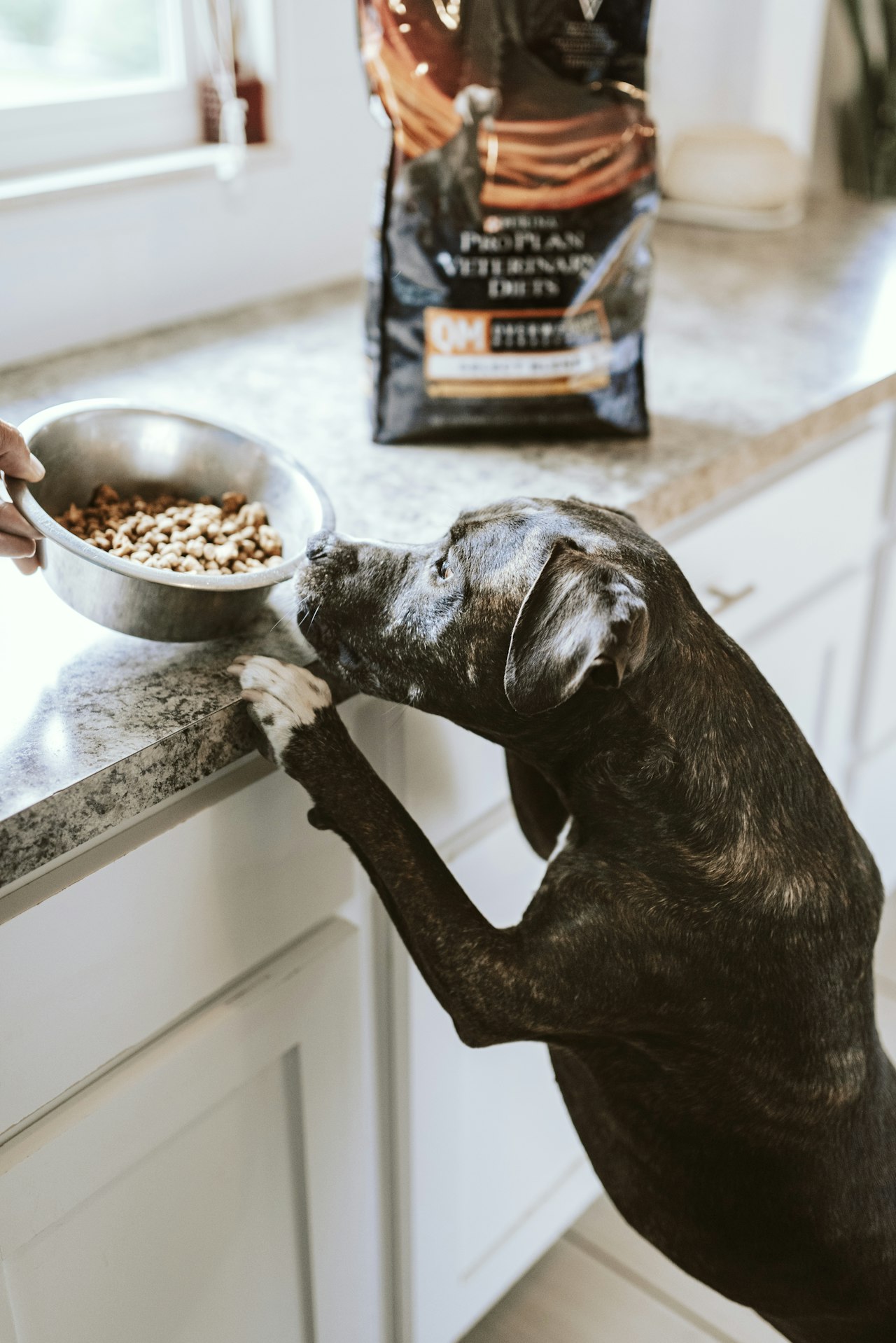
Identify the product and where it is stored, the agreed amount, the measuring method and the feeding routine. A scoop is not a clear unit unless the caregiver knows exactly what it refers to and how it is filled. Keep original packaging available, especially when different pets have different diets. Label the allocation by animal rather than relying on bowl color alone, which may change when dishes are washed.
Include treats, food toys and any restrictions. If part of the normal ration is reserved for rewards, explain where it is kept and what has already been allocated. The sitter should not add several extras because each activity seems small. Do not invite them to adjust a therapeutic diet or compensate for an unfinished meal without advice. A feeding plan needs a clear route back to the owner or veterinary team when the expected routine is not working.
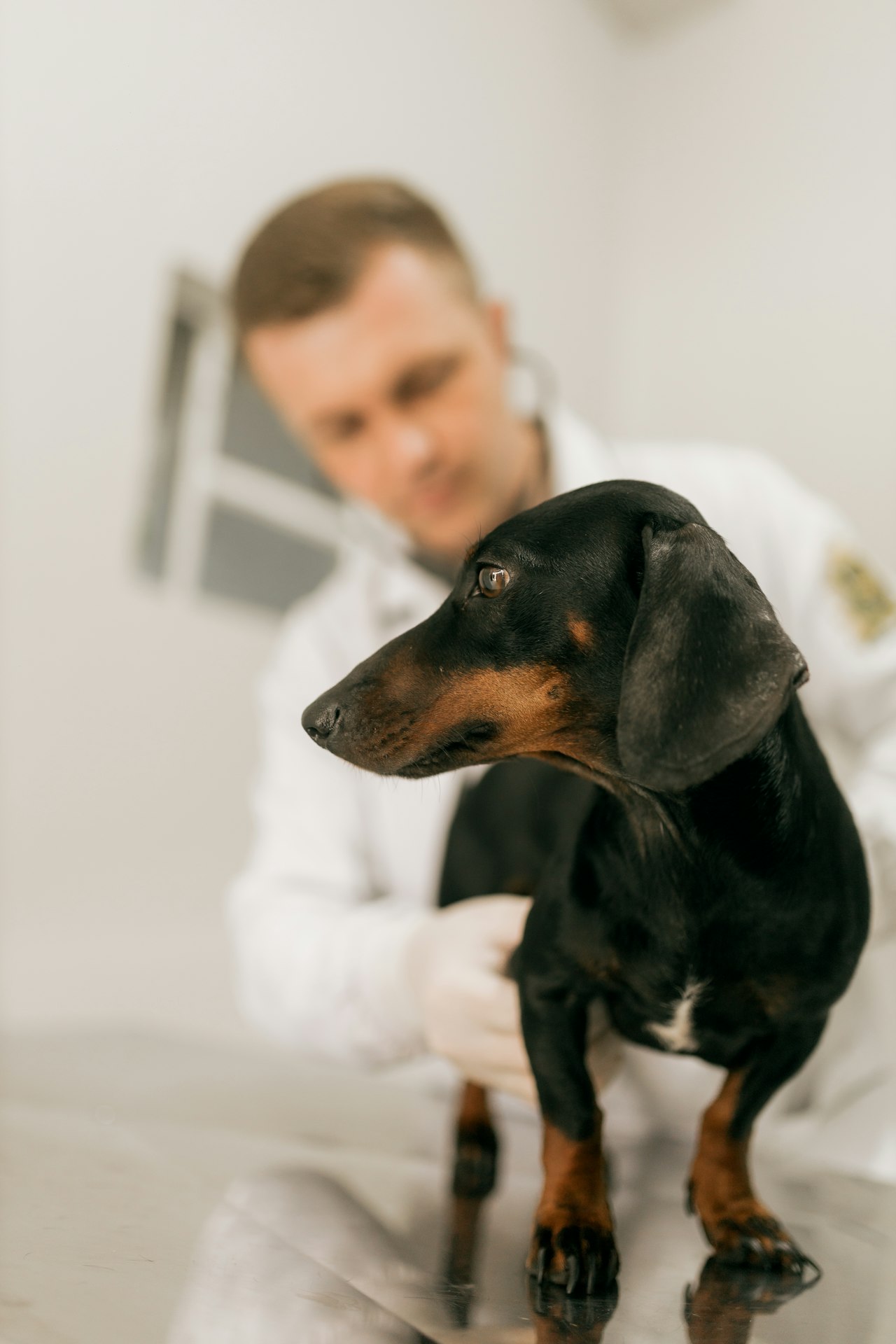
Use the current veterinary instructions and original labeled medication, with any demonstration the clinic recommends. Write who gives each dose and how it is recorded so two people do not assume the other has not done it. Confirm the sitter can carry out the task comfortably and safely before departure. If administration is difficult, ask the veterinary team for a suitable plan rather than relying on force or an improvised food mixture.
The handover should explain whom to contact about a missed, refused or uncertain dose. Do not invent a universal instruction to repeat it, double the next one or stop the medicine. Those decisions depend on the treatment and animal. Keep a current medication list with the veterinary contact information, and tell the clinic who will be caring for the pet if arrangements for communication or authorization are needed.
Give the sitter a few useful baselines: where the animal usually rests, how meals are normally approached, the ordinary toileting pattern and the cues or handling the pet knows. Avoid presenting personality labels as instructions. Shy does not tell the sitter whether the cat normally comes out for food or where to check quietly. A description of ordinary behavior makes a change easier to recognize.
For example, a note might say the cat often rests in the covered bed during a visit but usually approaches the bowl after the sitter steps back. That gives a practical observation without promising the same behavior every day. Ask the sitter to report what they actually see, including uncertainty. In a multi-pet home, food disappearing does not prove which animal ate it. Honest limits are better than a reassuring message unsupported by observation.
For the first sample log, I would make room for what was seen and what remains uncertain: arrival time, the pet accounted for under the agreed plan, food offered, what remained, water and toileting observations, care completed. I would not ask for a cheerful photograph to cover an observation gap. If the cat stays hidden or welfare cannot be confirmed, the sitter needs the pre-agreed response and contact route. An honest note prompts useful action; a polished all fine message can leave the next caregiver with less information.
The log also protects continuity if a backup caregiver takes over. A clear entry such as evening medication given according to label; recorded by initials is more useful than all done. Keep medical details accurate and private. If a concern requires prompt veterinary advice, the sitter should make that contact rather than spend time composing a polished message. The document exists to support action, not to make every visit look uneventful.
| Log entry | Useful detail | Avoid |
|---|---|---|
| Food | Product and amount offered; what remained | Assuming any empty bowl proves each pet ate |
| Medication | Actual administration recorded by caregiver | Guessing or repeating an uncertain dose |
| Welfare | What was observed and what could not be confirmed | Pursuing a frightened pet for a cheerful photo |
| Concern | Action taken and professional advice received | Waiting for the owner before seeking urgent advice |
Leave the regular veterinary practice, the appropriate out-of-hours service and a local backup contact, with current addresses and phone numbers. Confirm how the clinic handles treatment authorization and payment when the owner is away; do not assume a generic signed note works everywhere. The sitter should know where the carrier or transport equipment is and how to reach care if the owner is temporarily unavailable.
Discuss the individual pet’s warning signs with the veterinary team and include those instructions. For any serious illness, injury or uncertain urgent situation, the sitter should contact a veterinary service promptly. Waiting for a reply from another time zone can delay care. The owner’s preferences matter, but the plan must allow the caregiver to obtain professional guidance when the animal needs it.
Put supplies where the sitter can find them without searching through private storage. Check that enough of the correct food, litter and prescribed medication is available, with appropriate storage and expiry information. Separate access instructions and sensitive security details from any document that may be forwarded more widely. Only authorized caregivers should receive what they need to enter the home.
Reduce avoidable changes immediately before departure. A new food, unfamiliar harness and rearranged litter area create extra uncertainty for both pet and sitter. If a necessary change occurs, demonstrate it and update the instructions rather than leaving an old version in the folder. Make sure everyone knows which copy is current. A simple date and clear location can prevent contradictory messages from becoming the unofficial care plan.
Name a backup who has agreed to help and can access the necessary information and equipment. A person listed without being asked is not a reliable contingency. Explain when the backup should be contacted and how the main sitter hands over completed care. If the arrangement changes during the trip, confirm responsibility directly so no visit or medication task falls into the gap between two people.
On the owner’s return, I would open the log before putting the handover sheet away. If the sitter found the correct food but had to search for a clean measuring tool, that belongs in the next revision. I would also make time for concerns, including ones that proved minor, because accurate reporting is part of good care. The cupboard and carrier locations are no longer private household knowledge; they are instructions another person has tried to use, and the next version should reflect what that experience revealed.
I would like tomorrow’s sitter to open the cupboard and know what to do, then finish the visit with a clear record rather than a reassuring guess. That is the handover’s real job. Keep the demonstration practical, the prescription current and the route to help independent of a quick reply from the owner. A shorter page can do more when its details have been made usable.
A: Long enough to cover the real routine, but short enough to use during a visit. Keep essential actions and contacts on a clear first page, with supporting medical records or detailed instructions available separately. Demonstrate the actual tasks instead of relying on a long written description alone.
A: The sheet can help either person, but it does not replace appropriate skills, availability or a suitable care arrangement. Check that the caregiver can meet this animal’s needs and knows when to ask for help. Medical or difficult handling tasks may require particular experience.
A: The sitter should follow the veterinary plan for that situation or contact the clinic for advice. Do not provide a universal instruction to repeat or double a dose. Record what happened accurately and keep the current label and medication list available.
A: Agree on useful welfare updates, but do not make a photo more important than the animal’s comfort or timely care. A hidden cat should not be chased for an image. The sitter needs a practical plan for confirming welfare and responding when they cannot do so.
A: The sitter should have current veterinary contacts, an out-of-hours route, transport information and a local backup. Discuss authorization and payment arrangements with the clinic beforehand. The plan should allow prompt professional advice without waiting for a message from another time zone.
Reference details checked Nov 10, 2026. Rules and guidance can change; follow the current source where applicable.
Something needs a correction? Let us know.
Add up walks, training and chews with worked label arithmetic, then give every caregiver the same daily plan.
Keep batch details attached to the food and give each refill a clean start, from cupboard to bowl.
Turn uncertain memories into a clear timeline, three useful questions and a follow-up plan the household can use.